If you are in the care of children, whether as a parent, carer, relative, or teaching professional, knowing exactly what to do is half the battle and, in many cases, the thing that makes all the difference. Around the UK, stories circulate quietly between families and school staff. Yet, each one hammers home something crucial: being prepared is the only sensible position. Today, you’ll see why those with paediatric first aid expertise don’t just react, they act decisively, carrying a skillset stitched with both wisdom and foresight.
Thoughts on Paediatric First Aid
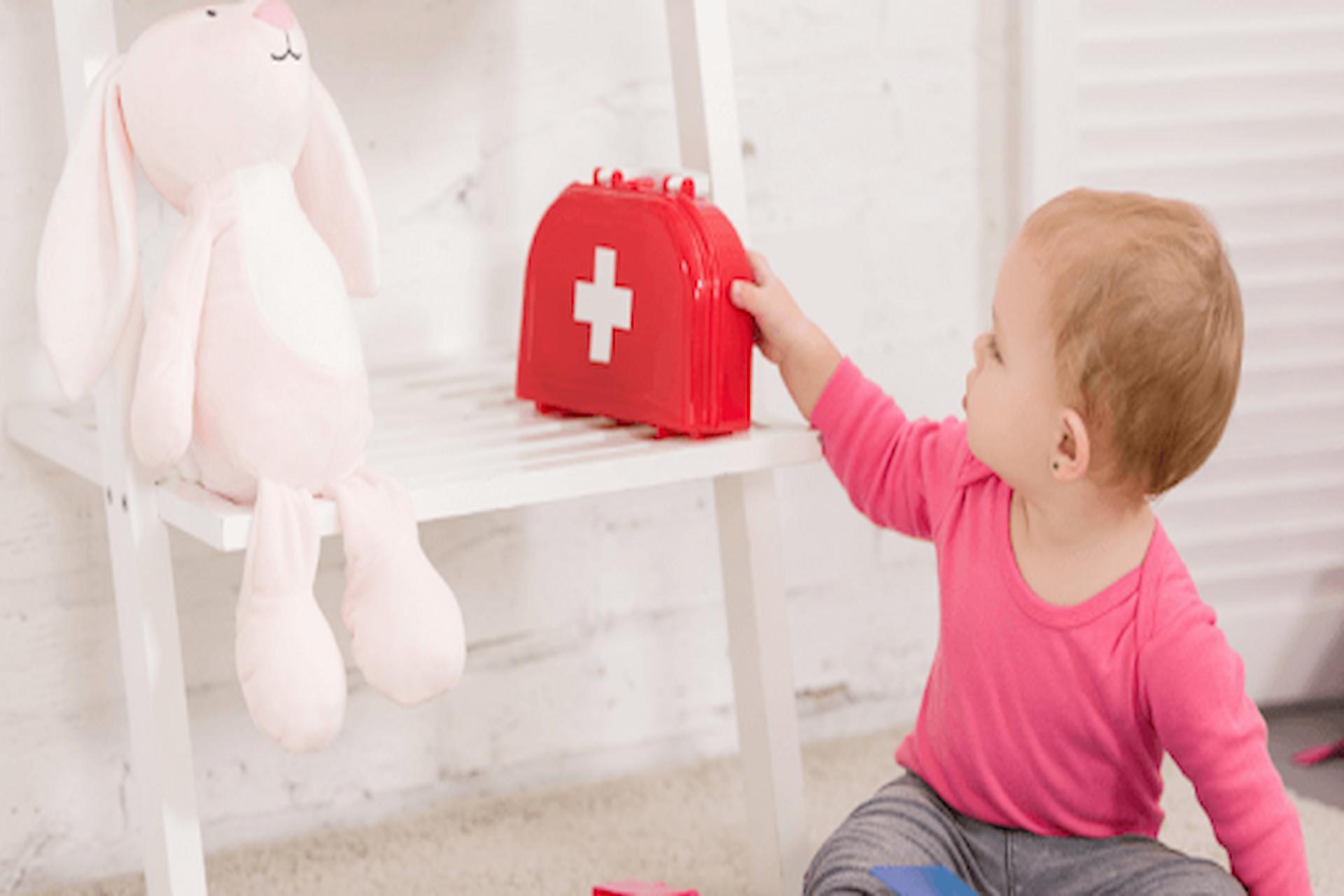
Walk into any nursery or primary school, and you will spot the subtle signs of vigilance: first aid kits nestled where small hands can’t reach and an adult whose calmness has settled into the very walls. Paediatric first aid is uniquely crafted for children, encompassing everything from choking interventions for toddlers to bandaging tricky grazes on knees and noses. You won’t find a one-size-fits-all here. Children’s bodies respond to injuries and illnesses differently from adults, which means the stakes are higher and the margin for error smaller.
But if you possess the knowledge, you can identify distress signals that others overlook. You become familiar with rapid changes in breathing, pallor in skin tone, or the silence that follows a bump on the head. You will recognise that a minor slip can snowball into something more urgent if you miss the warning signs. In a setting brimming with energy and unpredictability, your understanding brings clarity where confusion likes to lurk.
Boosting Safety and Confidence for Caregivers
There’s a specific peace that sits in your chest when you know what to do. If you have ever watched a grandparent, teacher or youth leader suddenly spring to action, you’ll likely recall the ripple of reassurance it sends through the group. No second-guessing. No chaos.
In the case that you are the one in charge, this confidence becomes your lifeline. Children sense hesitancy just as quickly as they pick up on excitement. A caregiver tuned in to paediatric first aid delivers steadiness, and that by itself can calm frantic little ones or anxious parents. You’re not just offering a sticking plaster, you’re providing certainty. Preparedness draws people to you, they know you are an anchor when things tilt sideways. Investing in these skills, you place yourself among a small but vital group who keep circles safe, be it at home, on the playground, or during a school trip.
Responding Effectively to Emergencies
Seconds stretch long when a child is hurt. But well-trained hands and a cool head shrink that distance between incident and intervention. If a child is choking, your quick action can mean the difference between a simple fright and something far worse. Asthma attacks, severe allergic reactions, convulsions, they rarely announce themselves politely. Preparation is your shield.
You will find that having studied paediatric first aid, you can distinguish which situations can be managed on site and which need a swift dial to 999. You will know how to use an EpiPen, where to position an unconscious child, and exactly when to start CPR. It’s almost as if your body moves before your brain catches up, drawn forward by muscle memory and practised decision-making. A little knowledge transforms you from a bystander into an active responder. It puts you in the middle of the story, changing the ending for the better.
Reducing Risks and Preventing Accidents
Accidents love shortcuts. An open stairgate, an unsupervised snack, a cord dangling curiously from a window. You might walk into a room, scan, and see dangers others miss. This is one of the understated gifts of knowing paediatric first aid: your eyes sharpen, you anticipate hazards before they trip someone up.
You will check the temperature of your bathwater twice. You will make sure allergen-free snacks are available. Changes in playground routines, night-time checks, careful storage of household chemicals, every action springs from a well of practical knowledge. The more you know, the less you need to scramble.
Incident logs shrink, hospital trips become the exception, and children’s play becomes safer, even as you allow them freedom to explore.
Supporting Positive Child Outcomes
There’s a subtle effect you’ll notice over time. Children begin to trust themselves in your company. When they fall, their distress is shortened by your swift attention, and as pain recedes, confidence grows. The first aid you offer is more than wound management: it is about creating an atmosphere where recovery is fast and scars, emotional or physical, don’t linger.
Imagine walking into a classroom where children know any mishap will be met with capable hands. They climb higher, run faster, and worry less because they sense safety in your care. This environment nurtures resilience. Over months and years, the positive impacts multiply. Children who receive good early care often carry forward a sense of security and develop better coping mechanisms for life’s inevitable bruises.
Promoting Community Awareness and Wellbeing
Look a little more closely and you will find that your expertise seeps into the community around you. Neighbours ask questions, schools request your input, friends watch and follow. Knowledge spreads like sunlight through stained glass, each facet catching someone new.
You might lead a workshop for local parents, or step forward to assist at a sports event. The ripple of your training can reach wide. Communities where many know paediatric first aid become robust, less vulnerable to tragedy and better prepared to handle the unexpected. It is not only a skill, but a culture, one that breeds calm and cooperation in trying times. When you share your knowledge, you are investing in a future where children’s wellbeing and safety are seen as shared responsibilities, not just solitary burdens.
To Wrap Up
Take a moment and look at your own circles. Every adult who cares for children carries a responsibility, an unseen pact to safeguard young lives from harm. When you dedicate the time to gain paediatric first aid knowledge, you are not only sharpening your own readiness, you are weaving a stronger net beneath every child you meet.
You will find that these skills linger, becoming second nature. They enrich your life and ripple outwards, proving daily that when it comes to children’s safety, only the most attentive and prepared truly set the pace.