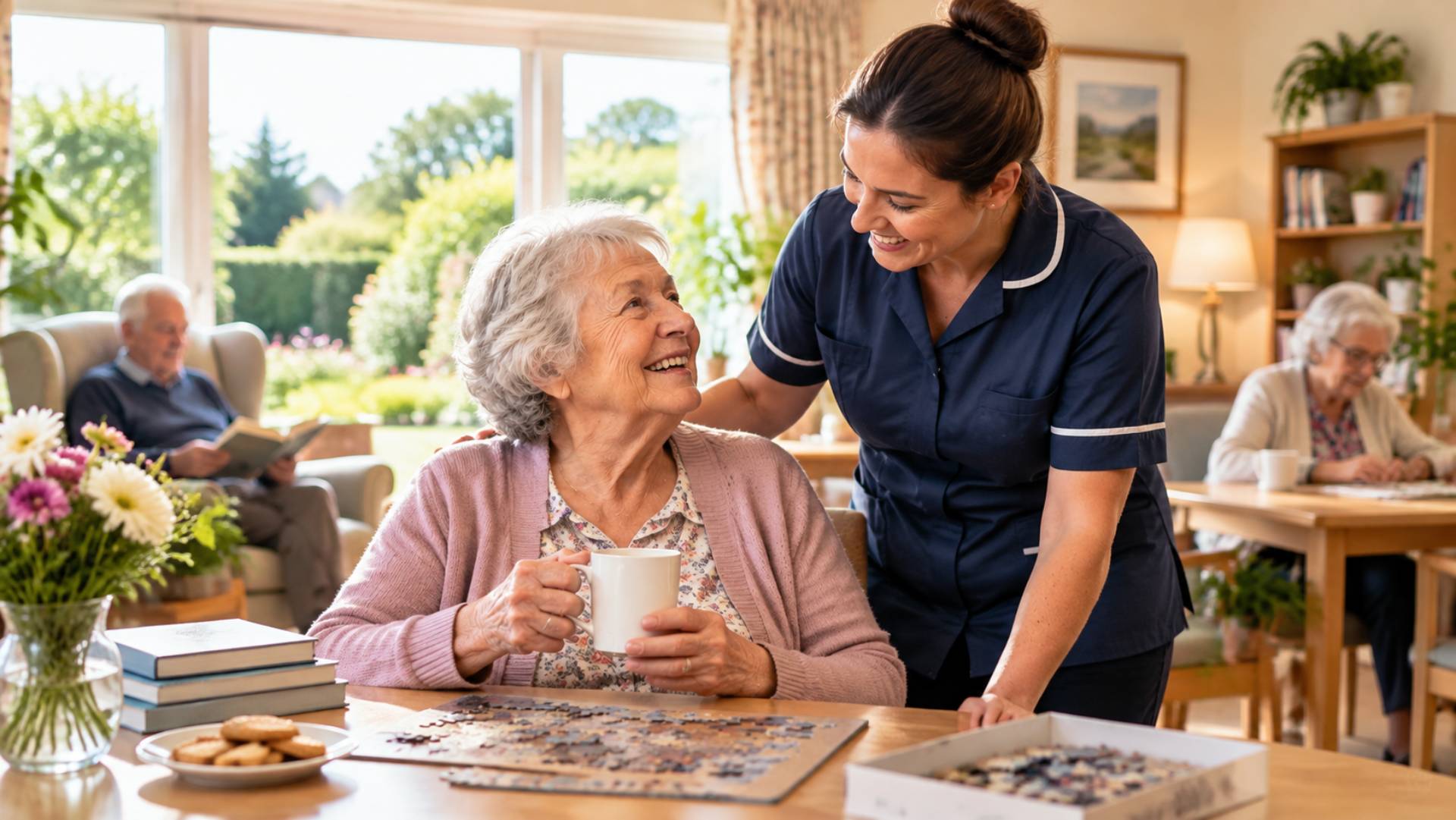
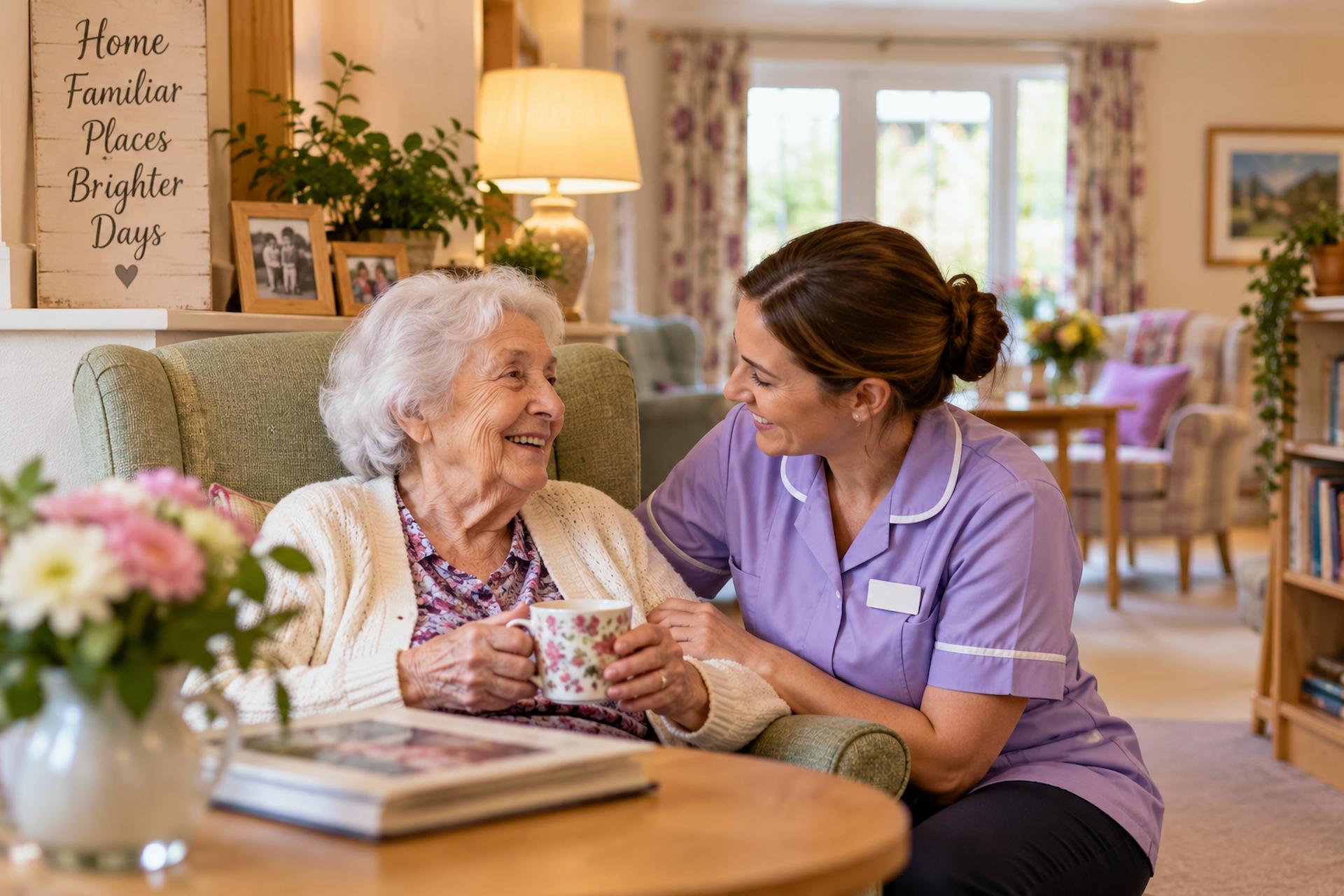
When someone is living with dementia, the surroundings can have a profound effect on how they feel day to day. Familiar spaces, clear layouts and a sense of calm help reduce confusion and support a greater sense of security. Families looking for suitable care often prioritise homes that understand this connection between environment and wellbeing.
Choosing a dementia care home Essex families can trust means finding a setting designed around the needs of people living with the condition. Thoughtful design choices make daily life easier to navigate and more comforting.
Why Environment Matters for People Living with Dementia
Dementia can affect memory, orientation and the ability to process sensory information. Busy, unfamiliar or institutional surroundings may increase anxiety or restlessness. In contrast, calm and familiar environments help people feel more at ease. They support orientation, encourage independence where possible and create opportunities for meaningful activity.
Good design does not rely on complex technology. It focuses on everyday features that feel recognisable and reassuring. Clear sightlines, consistent routines and spaces that resemble a domestic home all play a part in reducing unnecessary stress.
Creating a Sense of Familiarity
Familiarity is one of the most important principles in dementia-friendly design. When rooms, corridors and communal areas look and feel like places people have known throughout their lives, it becomes easier to settle in and move around with confidence.
Many homes use domestic-scale furniture, soft furnishings and personal items to create a homely atmosphere. Personalisation of bedrooms with photographs, favourite objects or familiar bedding helps residents recognise their own space. Memory boxes outside room doors, containing meaningful items or images, can also support wayfinding without relying solely on written signs.
Some environments incorporate features that recall everyday life from earlier decades, such as traditional fixtures or carefully chosen décor. These details can trigger positive associations and reduce the sense of being in an unfamiliar institution.
Supporting Orientation and Reducing Confusion
Clear layouts help people find their way without constant assistance. Simple corridor designs that avoid dead ends, good lighting and contrasting colours on doors, walls or handrails make spaces easier to read. Signage that combines clear text with pictures placed at eye level further supports independence.
Visual access to key destinations, such as sitting areas or dining rooms, allows residents to see where they are going. This reduces the need for repeated direction and helps maintain a sense of control over their surroundings.
Noise levels also matter. Excessive background sound can be overwhelming. Quiet corners, acoustic considerations and opportunities to retreat to calmer spaces give people choices about how much stimulation they experience at any given time.
The Role of Outdoor and Sensory Spaces
Access to outdoor areas offers fresh air, natural light and a change of scene. Sensory gardens with safe pathways, seating and plants chosen for colour, scent or texture provide gentle stimulation without overload. These spaces support movement, social interaction and moments of quiet reflection.
Indoor sensory areas can offer similar benefits. Soft lighting, tactile objects and controlled soundscapes create options for relaxation when a resident needs a break from more active parts of the day. A well-considered dementia care home Essex setting often balances these indoor and outdoor options carefully.
Practical Factors Families Should Consider
When assessing a care home, families can look for specific features that support calm and familiarity:
- Domestic rather than institutional scale of rooms and communal areas
- Opportunities for personalisation of private spaces
- Clear wayfinding through colour, contrast, landmarks and simple signage
- Access to safe outdoor spaces and quieter indoor retreats
- Consistent daily routines that provide structure without rigidity
- Staff who understand how the environment affects wellbeing and adapt support accordingly
It is also useful to observe how residents move around the building and whether they appear settled. Visiting at different times of day can give a fuller picture of the atmosphere and how the space is used in practice.
Professional advice from a GP, social worker or dementia specialist can help families decide when residential care is appropriate and what type of environment best matches an individual’s needs. Every person’s experience of dementia is unique, so the right setting will vary.
Balancing Stimulation and Calm
People living with dementia benefit from environments that offer the right level of stimulation. Too little can lead to withdrawal; too much can cause distress. Well-designed homes provide a range of spaces so residents can choose quieter or more social areas according to how they feel.
Activities linked to familiar daily tasks, such as helping with simple household routines or spending time in a kitchen or garden area, can support a sense of purpose. These opportunities work best when they feel natural rather than forced and when staff can adjust them to suit changing needs.
Conclusion
Calm, familiar environments form a central part of good dementia care. Features that support orientation, reduce unnecessary stimulation and reflect the comforts of home help people living with the condition feel more secure and engaged. Thoughtful design choices, from layout and lighting to personalisation and outdoor access, all contribute to daily wellbeing.
Families considering a dementia care home Essex options should look beyond surface appearance and focus on how the space supports independence, comfort and meaningful routines. Taking time to visit, observe and ask detailed questions about design and daily life will help identify a setting that truly meets the needs of the person they care for.