
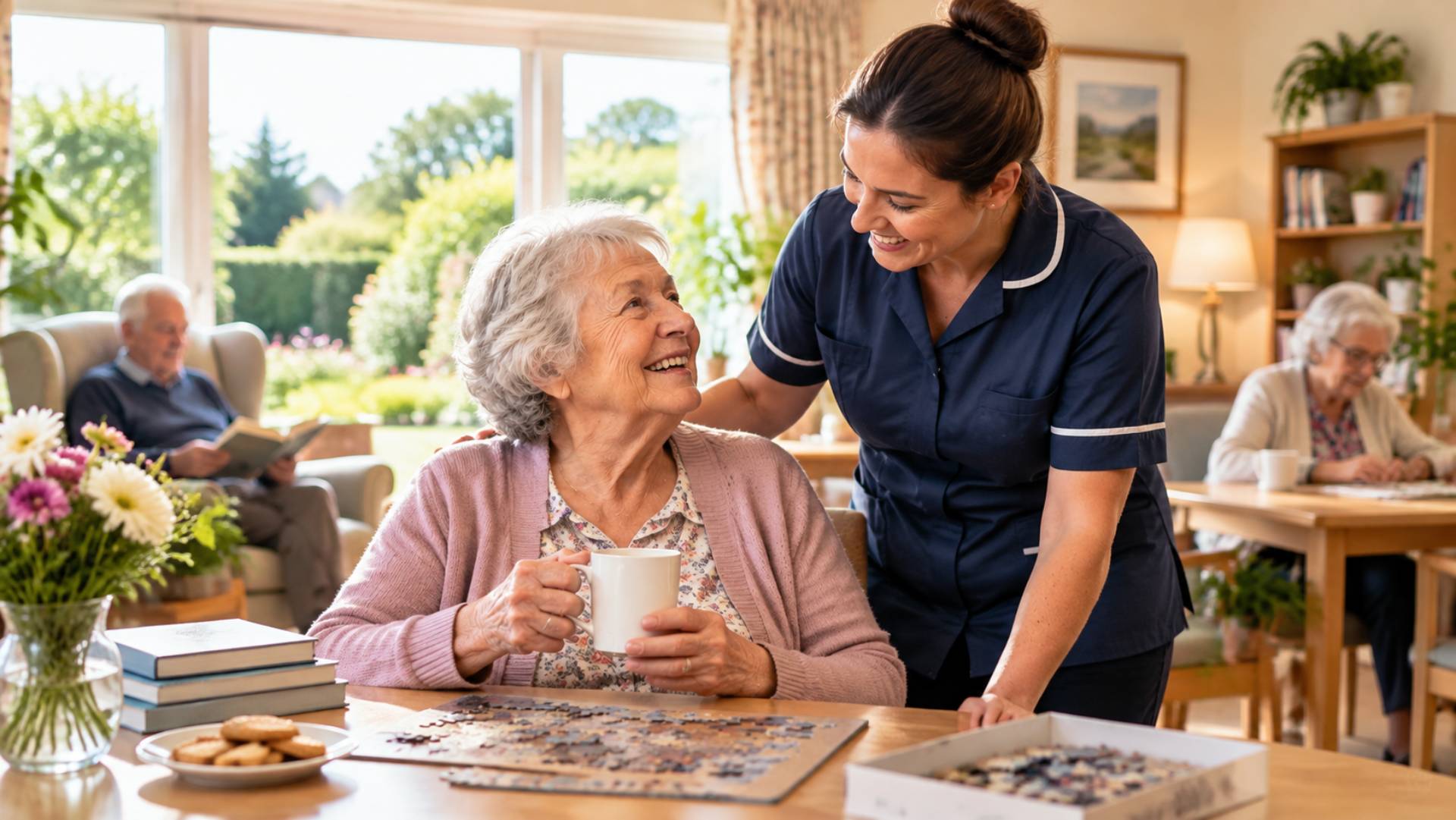
Moving into residential care does not have to mean giving up independence. The right environment can make daily life easier while protecting familiar habits, personal choices, and social connection. This guide explains how thoughtful residential care can support older people in Sewardstone with reassurance, routine, dignity, and greater confidence. Comfortably.
For many older people, independence is not about doing everything alone. It is about having choice, control, and the confidence to enjoy each day. A residential care home in Sewardstone can provide practical support while helping residents keep the routines and preferences that make life feel familiar. With assistance available around the clock, everyday tasks such as personal care, medication, meals, and housekeeping can become less stressful. At the same time, residents can decide how they spend their time, which activities they join, and when they prefer quiet moments. The aim is support without taking over daily life or choice.
Independence Starts With Personal Choice
Good residential care should work around the person rather than expect the person to fit a rigid timetable. Personalised care plans can identify preferred waking times, food choices, grooming habits, interests, and the level of help needed. This gives staff a clear picture of what matters to each resident.
Support with bathing, dressing, grooming, medication, laundry, cleaning, and other everyday needs can remove practical pressure. When these tasks are handled sensitively, residents have more time and energy for the parts of life they enjoy.
Familiar Routines Bring Comfort and Confidence
Routine can give the day a reassuring structure. Regular mealtimes, favourite activities, time outdoors, conversations with others, and quiet periods can all help residents feel settled. A residential care home in Sewardstone can support these familiar patterns while remaining flexible when someone wants to do things differently.
The important point is that routine should guide rather than restrict. Residents should still be able to choose whether they join an activity, spend time in their room, enjoy the garden, meet visitors, or simply have a slower day.
Social Life Without Losing Personal Space
Independence also includes deciding how social a person wants to be. Shared activities, entertainment, meals, outings, and community connections can reduce isolation and create opportunities for companionship. At the same time, residents may prefer privacy on some days.
Families can help by sharing useful information about long-standing hobbies, favourite foods, daily habits, and meaningful routines. Regular conversations with the care team can also help ensure support continues to reflect changing preferences and needs.
FAQs
Can residents keep their usual routines?
Yes. Personalised care should take account of established habits and preferences wherever possible, helping daily life feel familiar and comfortable.
Does residential care mean losing independence?
No. Appropriate support can make everyday tasks easier while allowing residents to keep making choices about their time, activities, meals, and personal routines.
What support is available with daily tasks?
Residential care may include help with personal care, medication, meals, housekeeping, laundry, companionship, and other everyday needs.
Can residents choose whether to join activities?
Yes. Activities can provide social connection and enjoyment, but residents should be free to take part as much or as little as they wish.
How can families support a smooth transition?
Share details about routines, interests, preferences, and important habits with the care team. Continued communication can help the new environment feel more familiar.
Conclusion
Residential care works best when support strengthens independence rather than replacing it. Help with personal care, medication, meals, housekeeping, and everyday tasks can reduce strain, while personalised routines help residents keep a sense of control. Social activities and shared spaces can encourage companionship, yet private time remains equally important.
Families choosing care should look closely at how staff learn about each resident, how flexible daily routines are, and whether people are encouraged to make their own choices. It is also worth asking how preferences are reviewed as needs change.
A residential care home in Sewardstone can offer the reassurance of round-the-clock support while helping an older person continue living in a way that feels recognisable and personal. When care respects established habits, individual choices, and changing needs, residents can enjoy greater comfort, confidence, connection, and a meaningful daily routine.