Boiler flow temperature and radiator settings can make a noticeable difference to winter comfort and heating costs. By finding the right balance, you can keep rooms warm without running your system hotter than necessary. This guide explains practical temperature ranges, room controls, and simple adjustments for efficient home heating overall.
Heating a home well in winter is not simply about turning the boiler up. The temperature of the water leaving the boiler, the heat produced by each radiator, and the room thermostat all work together. If any one setting is too high, energy can be wasted. If it is too low, rooms may feel cold for longer. A common question is, what temperature should a radiator be set to in the winter? The answer depends on your heating system, property insulation, radiator size, and comfort needs. A balanced approach can provide steady warmth while keeping unnecessary energy use under control.
Understand Boiler Flow Temperature
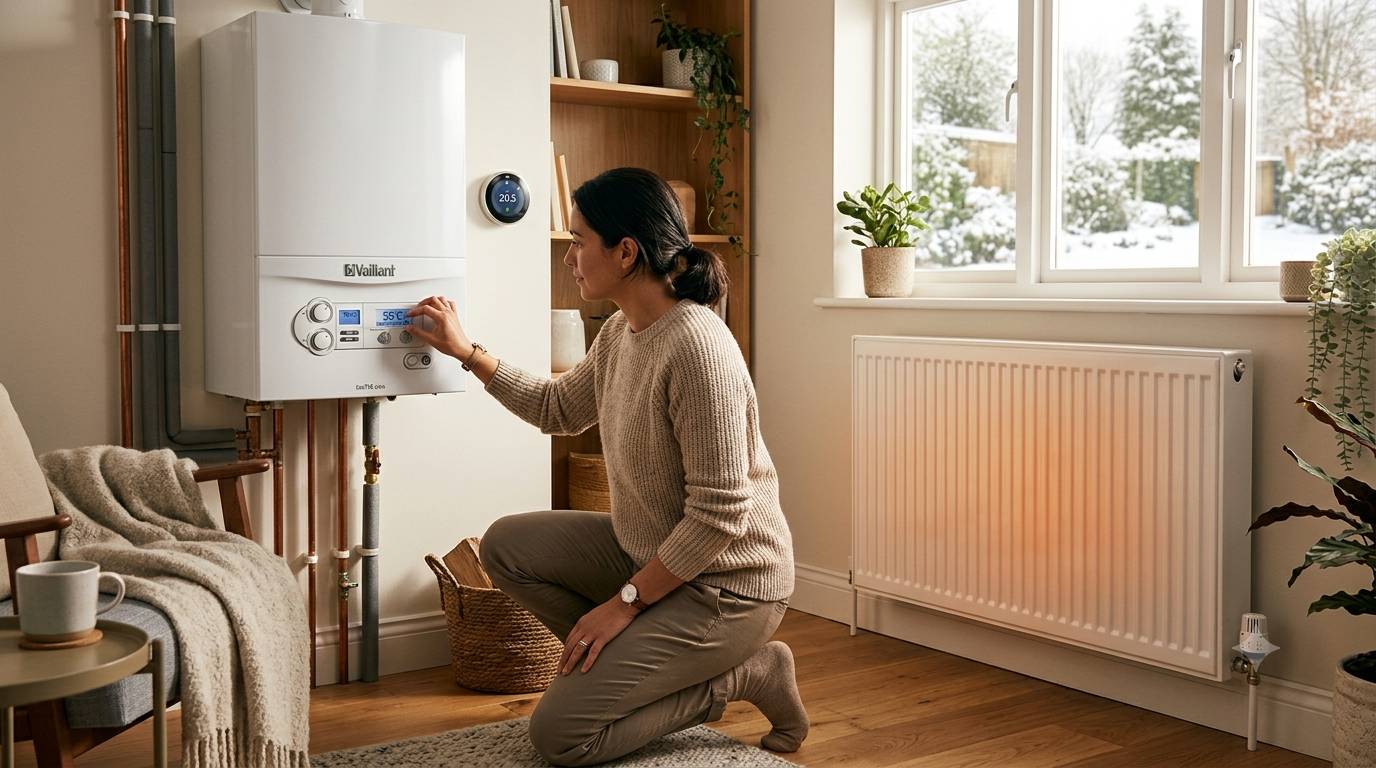
Boiler flow temperature is the temperature of the water leaving the boiler and travelling to the radiators. It is different from the room thermostat, which measures air temperature and tells the heating when to switch on or off.
For many radiator systems, a flow temperature between about 60°C and 75°C can be used as a winter starting range. A lower setting may be enough in a well-insulated home or during milder weather. On colder days, some homes may need a higher setting to reach the desired room temperature.
Match Radiator Heat to the Room
Radiators do not need to feel extremely hot all the time. Their job is to release enough heat to bring the room to a comfortable temperature. Living spaces are commonly kept around 18°C to 21°C, while bedrooms can often be cooler at night.
Thermostatic radiator valves can help control individual rooms. Turn them down in spaces that need less heat rather than heating every room to the same level. This can reduce wasted energy while keeping frequently used rooms comfortable.
Lower the Flow Temperature Carefully
Reducing boiler flow temperature can cut unnecessary heating demand, but large changes are not always helpful. Lower the setting gradually, then check whether the home still warms up within a reasonable time.
If rooms remain comfortable, keep the lower setting. If they struggle to warm up during colder weather, raise it slightly. If you are asking what temperature should a radiator be set to in the winter, focus on the lowest practical boiler flow temperature that still gives the warmth your household needs.
Review the setting again when outdoor temperatures change. A setting that works in early winter may need adjustment during a prolonged cold spell.
Check the Whole Heating System
Temperature settings work best when the system itself is performing properly. Radiators that are cold at the top may need bleeding, while uneven heating across the house can point to balancing issues.
Keep furniture and heavy curtains away from radiators where possible. A room thermostat should also sit in a suitable position, away from direct heat sources or draughts, so it can read the room temperature more accurately.
FAQs
Can I lower my boiler flow temperature in winter?
Yes. Reduce it gradually and check whether your rooms still reach a comfortable temperature.
Should every radiator use the same valve setting?
No. Rooms used less often can usually be kept cooler than main living areas.
Why are my radiators hot but the room still feels cold?
Heat loss, poor insulation, undersized radiators, draughts, or system balancing may be part of the problem.
Is a hotter radiator always better?
No. More heat than the room needs can increase energy use without improving comfort.
Conclusion
Good winter heating comes from balancing boiler flow temperature, radiator output, and room controls rather than simply choosing the highest setting. Start with a sensible flow temperature, then make small changes based on how quickly your home warms and how well it holds heat. Use thermostatic radiator valves to keep less-used rooms cooler, and check that radiators are heating evenly.
The most efficient setting will vary from one property to another. Insulation, radiator size, outdoor temperature, and heating habits all matter. If the system struggles even at suitable settings, professional heating advice may be worthwhile. When considering what temperature should a radiator be set to in the winter, aim for comfortable rooms with the lowest practical flow temperature that works reliably. That approach can support steady warmth, sensible energy use, and better control over winter heating bills.