Introduction
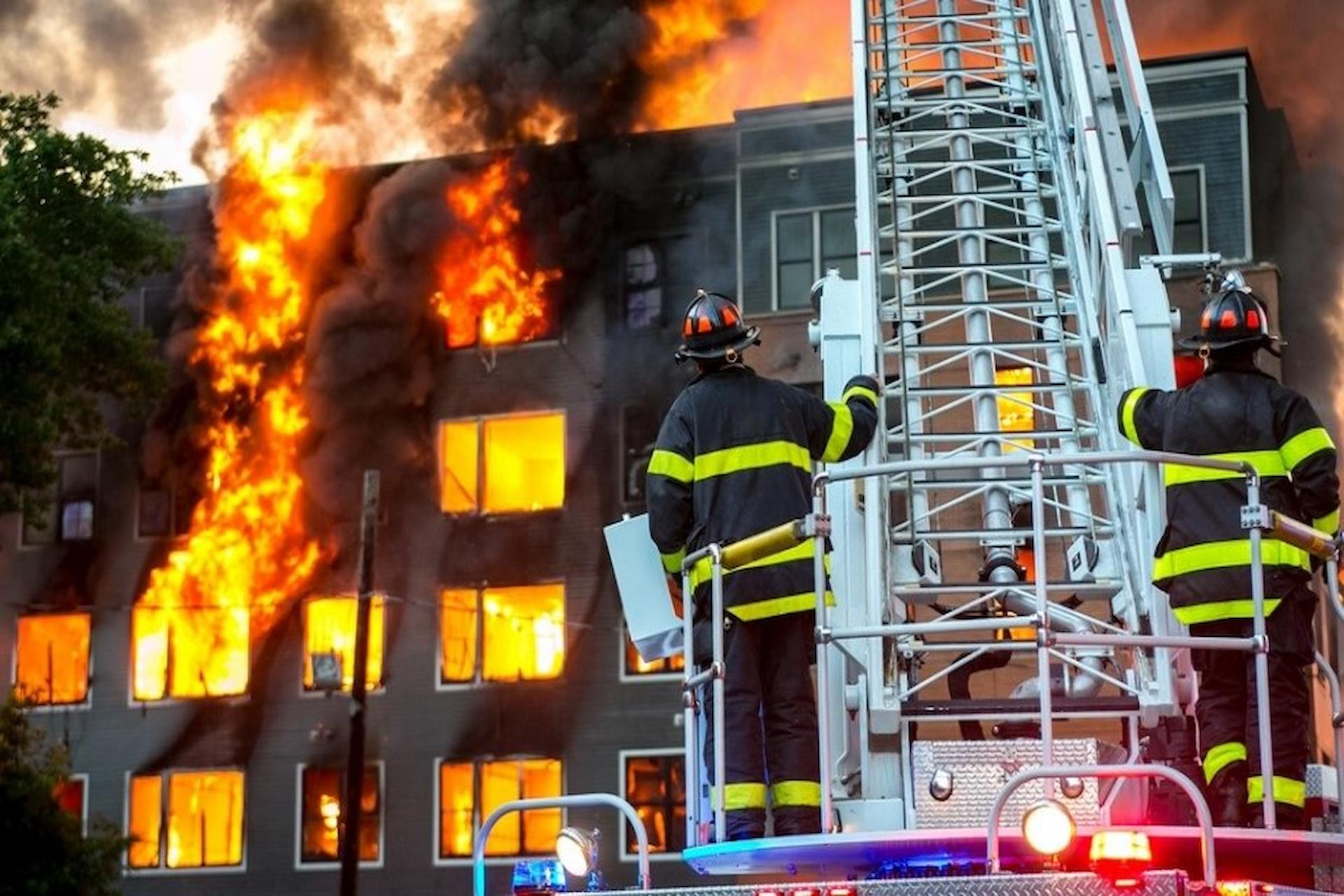
Protecting commercial buildings from fire damage is a critical responsibility for business owners, property managers, and facility operators. A fire can cause serious disruption, financial loss, structural damage, and risk to life within minutes. While no building can ever be completely risk-free, proactive fire safety planning can significantly reduce the likelihood and impact of fire-related incidents.
Commercial properties often contain complex electrical systems, valuable equipment, stock, machinery, and large numbers of occupants, making fire prevention and preparedness especially important. The most effective approach combines prevention, maintenance, staff awareness, and reliable fire protection systems.
Below are five of the best ways businesses can strengthen fire safety and help protect commercial premises from serious fire damage.
1. Carry Out Regular Fire Risk Assessments
One of the most important steps in protecting a commercial building is conducting regular fire risk assessments. Identifying potential hazards early allows businesses to address issues before they become dangerous.
A proper assessment should review:
- Electrical systems and equipment
- Heating systems and machinery
- Storage of combustible materials
- Escape routes and exits
- Existing fire safety measures
Commercial buildings change over time as layouts, staffing levels, and operations evolve. Regular reviews ensure fire safety procedures remain effective and compliant with current regulations.
Fire risk assessments also help businesses prioritise improvements and reduce avoidable hazards that could lead to fire outbreaks.
2. Maintain Fire Sprinkler Systems Properly
Reliable fire protection systems play a vital role in limiting fire spread and reducing damage. Among the most effective systems available are automatic fire sprinklers, which respond quickly upon detecting high temperatures.
However, installation alone is not enough. Ongoing fire sprinkler maintenance is essential to ensure systems operate correctly during an emergency.
Routine maintenance helps:
- Detect damaged or blocked sprinkler heads
- Verify water pressure and flow
- Check alarm valves and controls
- Ensure pipework remains unobstructed
- Maintain compliance with safety standards
A properly maintained sprinkler system can significantly reduce structural damage and improve occupant safety by controlling fires before emergency services arrive.
3. Train Staff on Fire Safety Procedures
Even the best fire protection systems depend on people understanding how to respond during an emergency. Staff training is therefore a key part of commercial fire safety.
Employees should know:
- How to identify potential fire hazards
- What to do if a fire starts
- How to raise the alarm
- Evacuation procedures and assembly points
- How to use fire extinguishers where appropriate
Regular fire drills help reinforce procedures and ensure occupants can exit safely and efficiently if needed.
A well-trained workforce can often prevent small issues from escalating into serious incidents through early reporting and safe behaviour.
4. Keep Electrical Systems and Equipment Well Maintained
Electrical faults remain one of the leading causes of commercial fires. Overloaded circuits, faulty wiring, damaged appliances, and poorly maintained equipment can all create serious risks.
Businesses should ensure:
- Electrical inspections are carried out regularly
- Portable appliance testing is completed where required
- Faulty equipment is repaired promptly
- Extension leads and sockets are not overloaded
- Machinery is serviced according to manufacturer guidance
Preventative maintenance reduces the likelihood of overheating, sparking, or equipment failure that could trigger a fire.
This is particularly important in commercial kitchens, workshops, warehouses, and industrial facilities where electrical demand may be high.
5. Maintain Clear Escape Routes and Good Housekeeping
Fire safety is not only about preventing fires but also ensuring people can evacuate safely if one occurs.
Poor housekeeping can increase both fire risk and evacuation difficulties. Waste build-up, blocked corridors, and improper storage of combustible materials all contribute to dangerous conditions.
Commercial buildings should maintain:
- Clear and unobstructed fire exits
- Properly illuminated escape routes
- Safe storage procedures for flammable materials
- Clean and organised working environments
Good housekeeping practices reduce ignition risks while helping occupants leave the building quickly and safely during emergencies.
Why Preventive Fire Safety Matters
Many businesses focus heavily on emergency response, but prevention remains the most effective long-term strategy. Combining fire risk assessments, staff training, maintenance, and reliable suppression systems creates multiple layers of protection.
Preventative fire safety measures help businesses:
- Protect employees and visitors
- Reduce operational disruption
- Minimise financial loss
- Maintain regulatory compliance
- Safeguard valuable assets and equipment
A proactive approach also demonstrates responsible building management and commitment to workplace safety.
Frequently Asked Questions (FAQs) about Protecting Commercial Buildings from Fire Damage
Why are fire risk assessments important for commercial buildings?
Fire risk assessments help identify hazards that could lead to fire outbreaks or increase safety risks during emergencies. Regular assessments allow businesses to address issues early and maintain compliance with fire safety regulations.
How does fire sprinkler maintenance improve fire protection?
Routine fire sprinkler maintenance ensures the system remains fully operational and capable of responding effectively during emergencies. Maintenance helps detect faults, pressure issues and damaged components before they compromise performance.
What are the most common causes of commercial fires?
Electrical faults, overheating equipment, poor housekeeping, unattended appliances, and improper storage of combustible materials are among the most common causes of commercial fires.
How often should commercial fire safety systems be inspected?
Inspection schedules vary by system type and building requirements, but regular servicing and routine safety checks are essential to maintain reliability and compliance.
Why is staff fire safety training necessary?
Employees play a crucial role in fire prevention and emergency response. Proper training helps staff recognise hazards, follow evacuation procedures and respond appropriately during incidents.
Can preventative maintenance reduce fire damage costs?
Yes. Preventative maintenance reduces the likelihood of system failures and fire incidents, helping businesses avoid costly repairs, downtime and operational disruption.
Conclusion
Protecting commercial buildings from fire damage requires more than reacting to emergencies after they happen. Effective fire safety depends on prevention, preparation, and properly maintained protection systems working together.
By conducting regular fire risk assessments, maintaining electrical systems, training staff, improving housekeeping standards, and prioritising fire sprinkler maintenance, businesses can significantly reduce fire risks and improve overall building safety.
A proactive fire protection strategy not only safeguards property but also protects the people who rely on the building every da