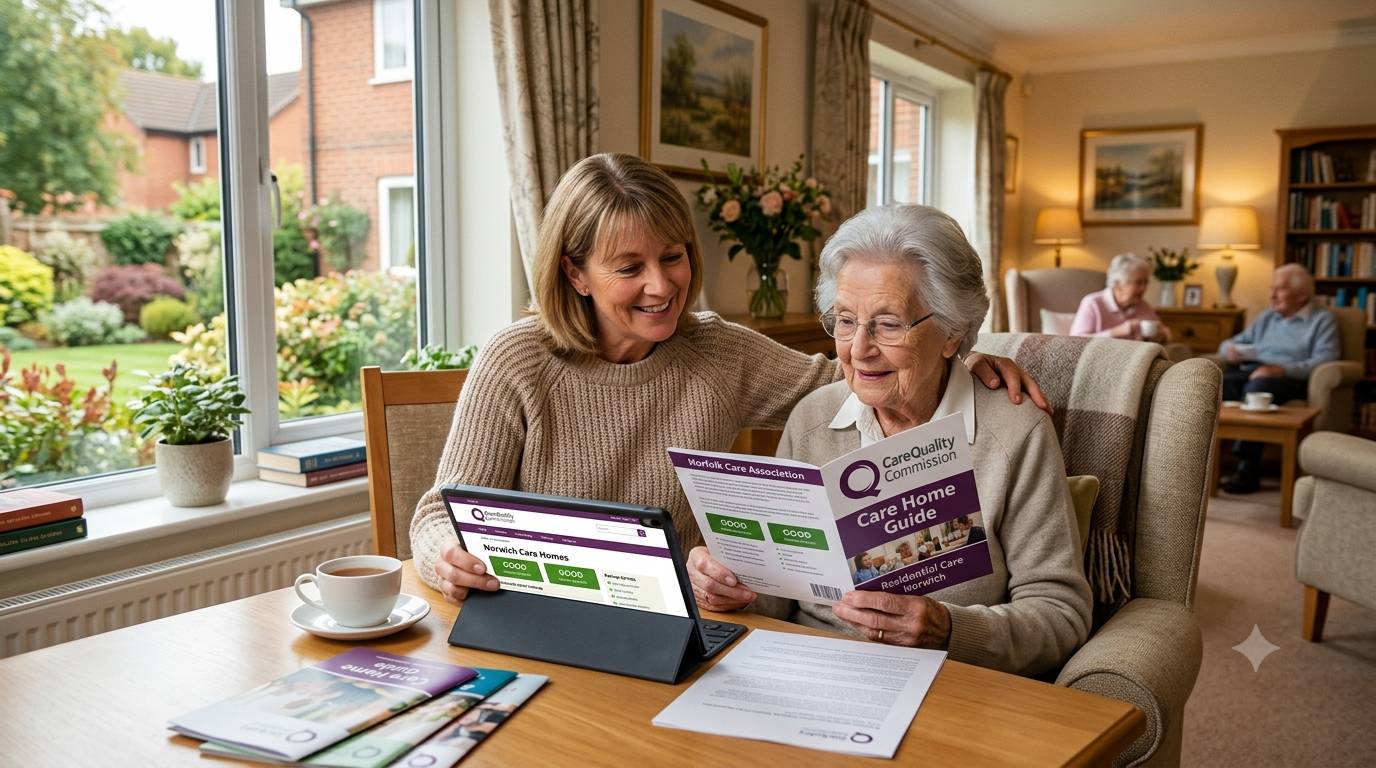

Choosing a long-term residential care home is a deeply personal decision that shapes comfort, safety, and quality of life. From care standards to daily routines, every detail matters. Knowing what to look for can ease uncertainty and help families feel confident about making the right choice for their loved ones.
Long-term residential care homes provide ongoing support for individuals who need help with daily living. This may include assistance with mobility, personal hygiene, medication management, and social engagement. When exploring options such as care homes in Redhill, it is important to understand that each facility varies in its approach, environment, and level of care.
Some homes focus on general residential care, while others offer specialised services such as dementia care or nursing support. Understanding the specific needs of the individual is the first step in narrowing down suitable options.
The Level of Care Provided
Matching Care to Individual Needs
Not all care homes offer the same level of support. Some residents may require minimal assistance, while others need continuous supervision and medical attention.
It is essential to evaluate:
- Personal care support (bathing, dressing, eating)
- Medical care and nursing availability
- Specialised services such as memory care
- Emergency response systems
Care plans should be personalised and regularly reviewed. A good care home will adapt services as needs evolve over time.
Daily Life and Environment
Comfort, Routine, and Social Engagement
A care home should feel like a safe and welcoming place rather than a clinical setting. The daily environment plays a major role in overall wellbeing.
Look for:
- Clean, comfortable living spaces
- Nutritious and varied meal options
- Opportunities for social interaction
- Recreational activities and hobbies
Routine is important, but flexibility matters too. Residents should have the freedom to maintain their preferences and independence where possible.
Staff Quality and Support
Experience and Compassion Matter
The quality of care is closely linked to the staff providing it. Trained, attentive, and empathetic caregivers make a significant difference in residents’ experiences.
Key aspects to consider:
- Staff qualifications and training
- Staff-to-resident ratio
- Communication style and responsiveness
- Continuity of care (familiar faces rather than frequent changes)
A well-supported team is more likely to deliver consistent and compassionate care.
Safety and Health Standards
Ensuring a Secure Living Space
Safety is a fundamental consideration when choosing a care home. Facilities should follow strict health and safety protocols to protect residents.
Important features include:
- Secure premises and controlled access
- Fall prevention measures
- Hygiene and infection control standards
- Regular health monitoring
Homes that meet regulatory standards often undergo inspections, ensuring accountability and quality assurance.
Cost and Financial Planning
Understanding Fees and Inclusions
The cost of long-term residential care varies depending on location, services, and level of support. When reviewing options like care homes in Redhill, it is important to understand what is included in the fees.
Costs may cover:
- Accommodation and meals
- Personal care services
- Activities and social programmes
- Medical or nursing care (if applicable)
Transparency is key. Clear breakdowns help families plan effectively and avoid unexpected expenses.
Location and Accessibility
Staying Connected with Loved Ones
Choosing a care home close to family and friends makes regular visits easier. Social connections play a crucial role in emotional wellbeing.
Consider:
- Proximity to family members
- Transport links and accessibility
- Local surroundings and community feel
A familiar environment can ease the transition and help residents feel more at home.
Questions to Ask Before Choosing
Before making a final decision, visiting the care home and asking relevant questions can provide valuable insight.
Some useful points to explore:
- How are care plans created and reviewed?
- What activities are offered daily or weekly?
- How are emergencies handled?
- What is the process for addressing concerns or complaints?
These conversations help build trust and clarity.
Practical Tips for Making the Right Choice
- Visit multiple care homes to compare environments and services
- Speak with staff and observe how they interact with residents
- Review inspection reports and ratings where available
- Involve the individual in the decision-making process
- Take time to assess both emotional and practical factors
Making a thoughtful decision ensures long-term comfort and satisfaction.
Frequently Asked Questions About Home Care
What should I look for in a care home?
A good care home should provide personalised care, a safe environment, and a supportive atmosphere. Key indicators include trained staff, clean facilities, engaging activities, and clear communication. It is also important to ensure the home aligns with the individual’s specific health and lifestyle needs for long-term comfort.
How do I know if a care home is suitable?
A care home is suitable if it meets both practical and emotional needs. Visiting the facility, observing daily routines, and speaking with staff can offer clarity. Reviewing inspection reports and understanding care plans also helps determine whether the home can provide consistent and appropriate support.
Are all care homes the same?
Care homes differ in services, facilities, and care levels. Some focus on basic residential care, while others provide specialised nursing or dementia care. Understanding these differences is essential when choosing a home that matches the individual’s specific health requirements and personal preferences.
How much does long-term care cost?
The cost varies depending on location, level of care, and included services. Fees typically cover accommodation, meals, and personal care. Additional charges may apply for specialised medical support. It is important to request a detailed breakdown to understand exactly what is included in the overall cost.
Can residents maintain independence in care homes?
Yes, many care homes encourage independence while providing necessary support. Residents can often make choices about their daily routines, activities, and lifestyle. A balanced approach helps maintain dignity and confidence, ensuring individuals feel respected and comfortable in their new environment.
Conclusion
Choosing a long-term residential care home is a significant step that requires careful consideration. From the level of care to the environment and staff quality, every element contributes to a resident’s wellbeing. Exploring options such as care homes in Redhill with a clear understanding of expectations allows families to make informed, confident decisions that prioritise dignity, safety, and quality of life.