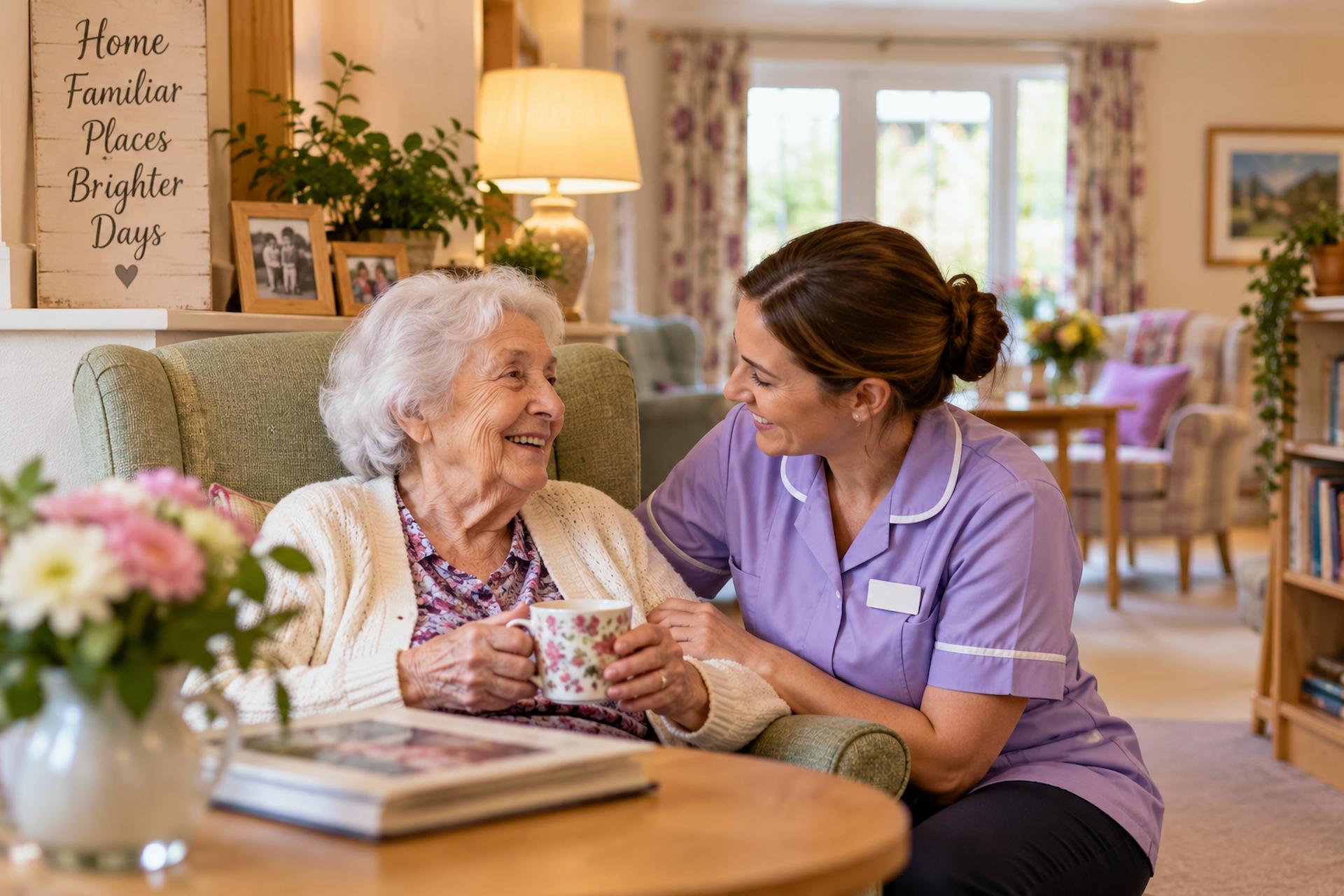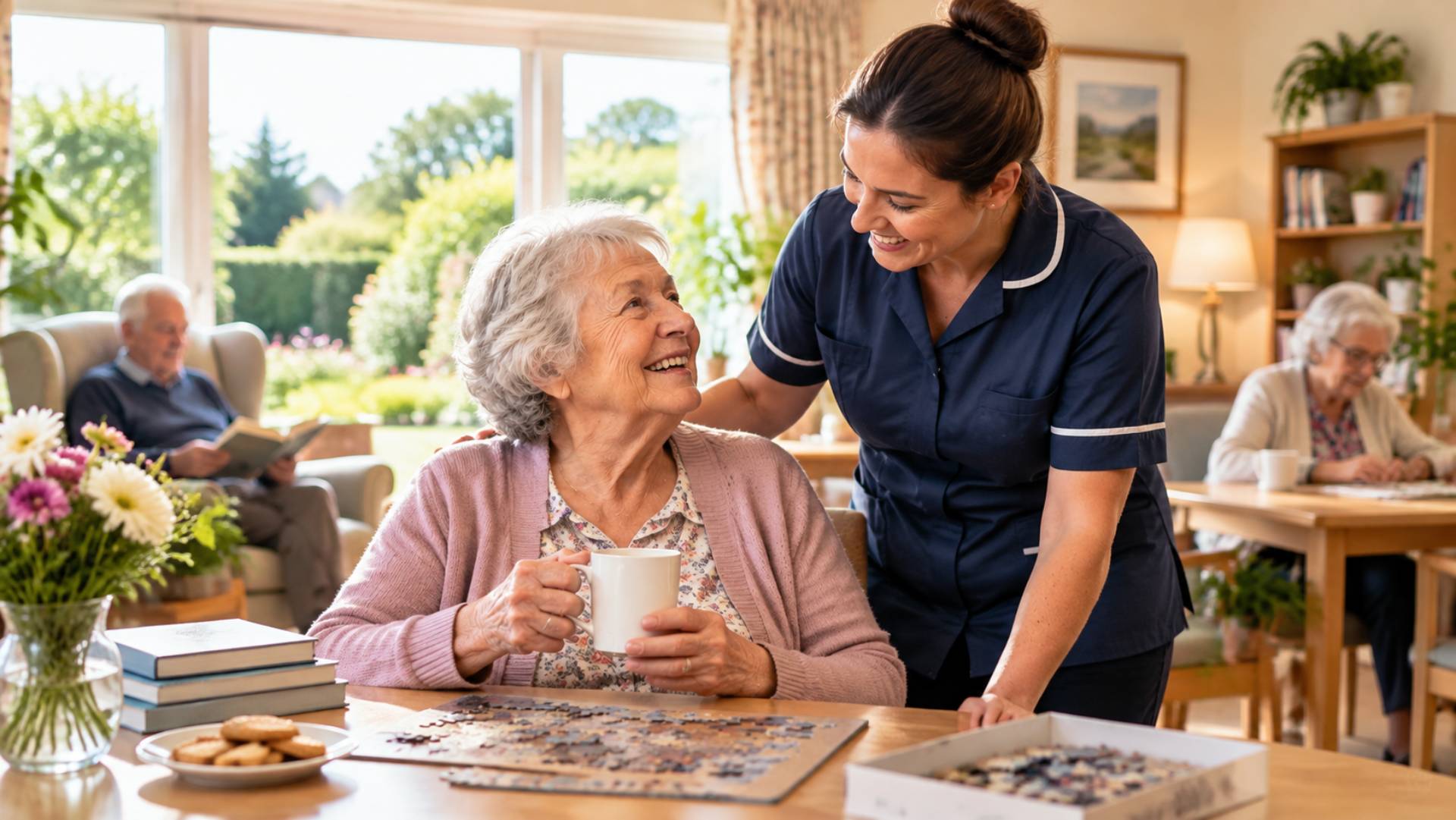

Loneliness is a growing concern among older adults, but companionship care offers a simple, powerful way to bring connection back into their lives. By fostering friendships, encouraging activities, and supporting daily routines, companionship care helps seniors feel valued and engaged. This article explores how social interaction boosts emotional well-being, prevents isolation, and enhances overall quality of life for older people—showing why it’s an essential part of healthy ageing.
The Importance of Social Engagement for Older Adults
Social engagement is more than a pleasant pastime—it is a vital part of healthy ageing. Research shows that older adults who maintain regular social contact are less likely to experience depression, anxiety, and cognitive decline. They enjoy a greater sense of purpose and are often physically healthier, too.
Unfortunately, many seniors face barriers to staying socially active. Limited mobility, loss of friends or family, and health challenges can all lead to isolation. This is where companionship care for elderly individuals becomes so essential.
What Is Companionship Care?
Companionship care is a form of non-medical support that focuses on building social connections and emotional well-being. It is different from personal care or nursing, which focuses more on medical or physical needs. Instead, it offers:
- Regular conversation and shared activities
- Assistance with hobbies and social outings
- Support for attending community events or appointments
- Emotional reassurance and a friendly presence
This type of care helps older adults feel connected, valued, and part of their community—something that can significantly improve their quality of life.
How Companionship Care Promotes Social Engagement
The key benefit of companionship care is its ability to break the cycle of isolation. Here’s how it works:
- Encourages Communication: A regular companion gives seniors someone to talk to openly. Sharing stories, memories, or even daily experiences keeps the mind active and builds trust.
- Facilitates Activities: Many older adults stop doing activities they love because they lack company or confidence. Companionship care makes it easier to attend events, go for walks, or engage in hobbies again.
- Provides Emotional Support: Ageing can come with loss and change. Having a supportive companion can help seniors navigate emotional challenges and maintain a positive outlook.
- Strengthens Community Ties: Care companions often help older adults reconnect with friends, attend social clubs, or participate in local gatherings, fostering a stronger sense of belonging.
The Psychological Benefits of Companionship Care
Loneliness has been linked to increased risks of depression, anxiety, and even dementia. Social engagement combats these effects by:
- Boosting mood and emotional stability
- Reducing stress levels through regular interaction
- Improving cognitive function by keeping the brain stimulated
- Creating a sense of identity and belonging
When seniors feel listened to, valued, and included, their self-esteem grows, and their mental well-being thrives.
Physical Health Benefits of Social Connection
The impact of companionship care extends beyond mental health. Older adults who engage socially often experience:
- Lower blood pressure and reduced heart disease risk
- Better mobility through regular walks or activities
- Improved sleep quality due to reduced anxiety
- Greater motivation to maintain healthy habits
By combining conversation, shared activities, and emotional support, companionship care encourages an active lifestyle that benefits both body and mind.
Personalised Care for Individual Needs
No two older adults are the same. Some prefer quiet chats over tea, while others enjoy lively community events. Effective companionship care adapts to these preferences, ensuring that the support provided is truly enriching.
Personalised companionship care can include:
- Visiting parks or gardens
- Playing board games or cards
- Helping with letter writing or emails
- Exploring local cultural events
- Simply sitting together and talking
This flexibility makes it possible to build genuine, lasting relationships that are both supportive and enjoyable.
The Role of Family in Supporting Companionship
While professional carers play an essential role, family members can also help maintain social engagement. Visiting regularly, arranging outings, or calling often can make a big difference.
Combining family involvement with companionship care for elderly individuals creates a strong support network that ensures they never feel forgotten.
Overcoming Barriers to Social Engagement
Some older adults may be reluctant to accept companionship care at first, often due to concerns about independence or privacy. Overcoming this requires:
- Explaining the benefits clearly
- Starting with short, informal visits
- Matching them with a carer who shares similar interests
- Encouraging small steps toward social activities
With patience and understanding, many seniors quickly see the value of having a friendly, reliable companion.
Why Companionship Care Matters Now More Than Ever
Modern life has made it harder for some families to spend regular time with their older relatives. Urban living, work commitments, and long distances can all reduce contact.
In this context, companionship care ensures that seniors still receive the attention, conversation, and emotional connection they need—helping to prevent loneliness from becoming a serious health concern.
Final Thoughts
Social engagement is not just a bonus for older adults—it is essential to their overall well-being. Companionship care for elderly individuals plays a vital role in ensuring they remain connected, active, and emotionally fulfilled.
By providing consistent emotional support, encouraging activities, and fostering community ties, companionship care transforms the lives of seniors. It gives them not just care, but friendship, purpose, and joy—making the later years of life richer and more meaningful.