
Care homes play a vital role in supporting individuals with both cognitive and physical needs as they age. Through compassionate, personalised care, specialised dementia support, and thoughtfully designed daily activities, residents are encouraged to maintain wellbeing, dignity, and independence. A balanced approach that blends clinical support with meaningful engagement helps create a safe, respectful, and fulfilling environment in later life.
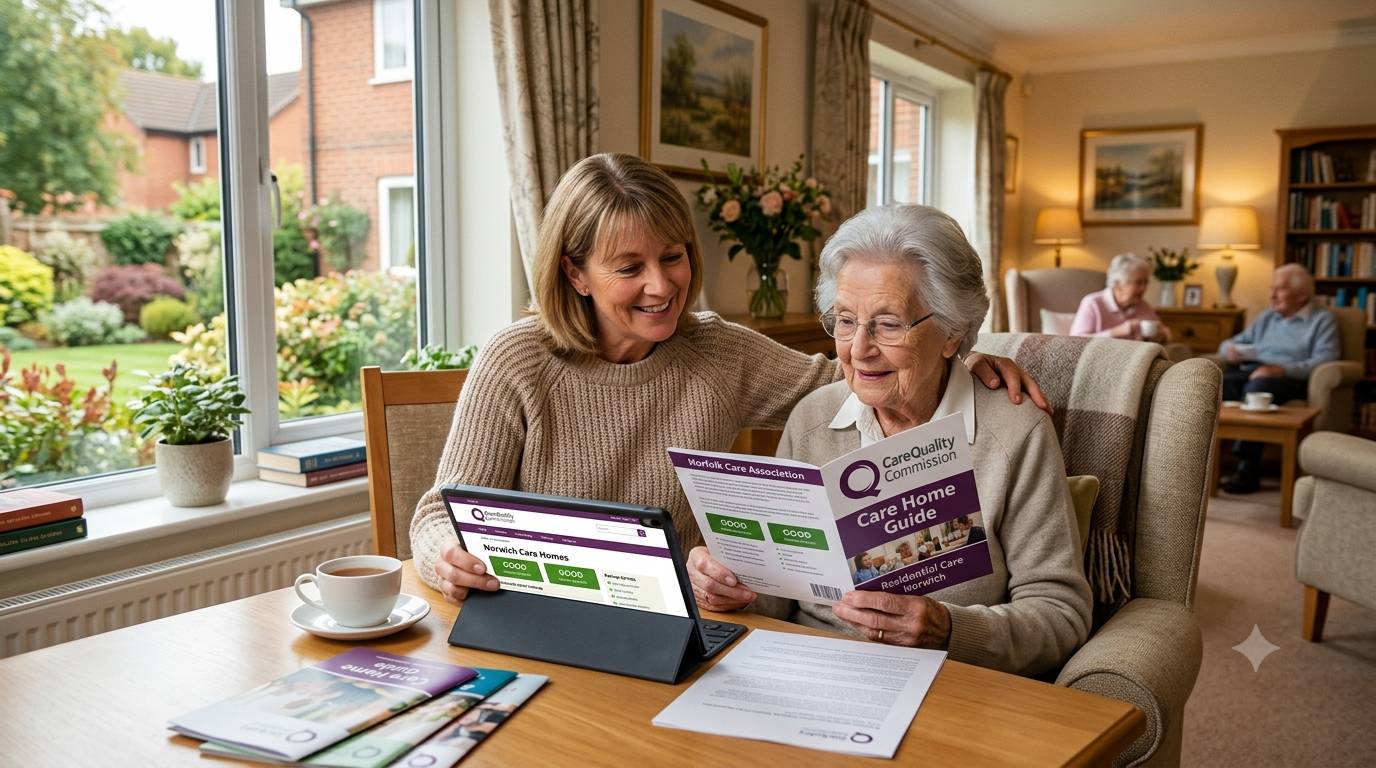
Choosing the right care environment is a significant decision, especially when a loved one requires support for both cognitive and physical needs. Modern care homes in Cambridgeshire are designed to do far more than provide supervision. They focus on understanding the individual, adapting care to changing needs, and creating an atmosphere where residents feel secure, respected, and engaged. Through skilled staff, structured routines, and carefully planned environments, care homes now offer a balanced approach that supports health, independence, and quality of life. This article explains how that support works in practice and what families should expect from a well-run care setting.
Recognising Cognitive Needs with Sensitivity and Structure
Cognitive conditions such as dementia affect more than memory alone. They influence communication, emotional regulation, orientation, and confidence. High-quality care homes address these challenges by embedding predictability and reassurance into daily life. Staff are trained to recognise subtle changes in behaviour and cognition, allowing them to respond calmly and consistently. Clear routines, familiar surroundings, and gentle guidance reduce anxiety and help residents feel more in control of their day.
Support is carefully adjusted to individual cognitive ability rather than applied uniformly. This ensures residents remain involved in decisions where possible and are never rushed or overwhelmed. In established care homes in Cambridgeshire, this structured yet flexible approach plays a crucial role in maintaining emotional stability and cognitive comfort over time.
Supporting Physical Health Without Limiting Independence
Physical care in a residential setting must strike a careful balance between assistance and independence. Residents may experience reduced mobility, chronic conditions, or general frailty, but this does not mean activity and autonomy should be lost. Effective care environments provide round-the-clock support while encouraging residents to remain active within safe limits.
Daily assistance is delivered with dignity, ensuring tasks such as personal care, movement, and medication management are handled respectfully. Where possible, residents are encouraged to participate in their own care, helping preserve muscle strength, coordination, and confidence. This proactive approach supports long-term physical wellbeing and reduces the likelihood of rapid decline.
Individual Care Planning That Evolves with the Resident
Personalised care planning is the foundation of effective support for complex needs. Every resident arrives with a unique health profile, history, and set of preferences. Care homes begin with detailed assessments that cover physical health, cognitive ability, emotional wellbeing, and lifestyle expectations. These assessments inform care plans that are practical, realistic, and tailored.
Care planning is not a one-time process. Regular reviews ensure that support evolves alongside the resident’s needs. Changes in mobility, cognition, or general health are reflected promptly, preventing gaps in care. In well-managed care homes in Cambridgeshire, this ongoing review process ensures consistency, safety, and responsiveness at every stage.
Meaningful Daily Engagement That Supports the Mind
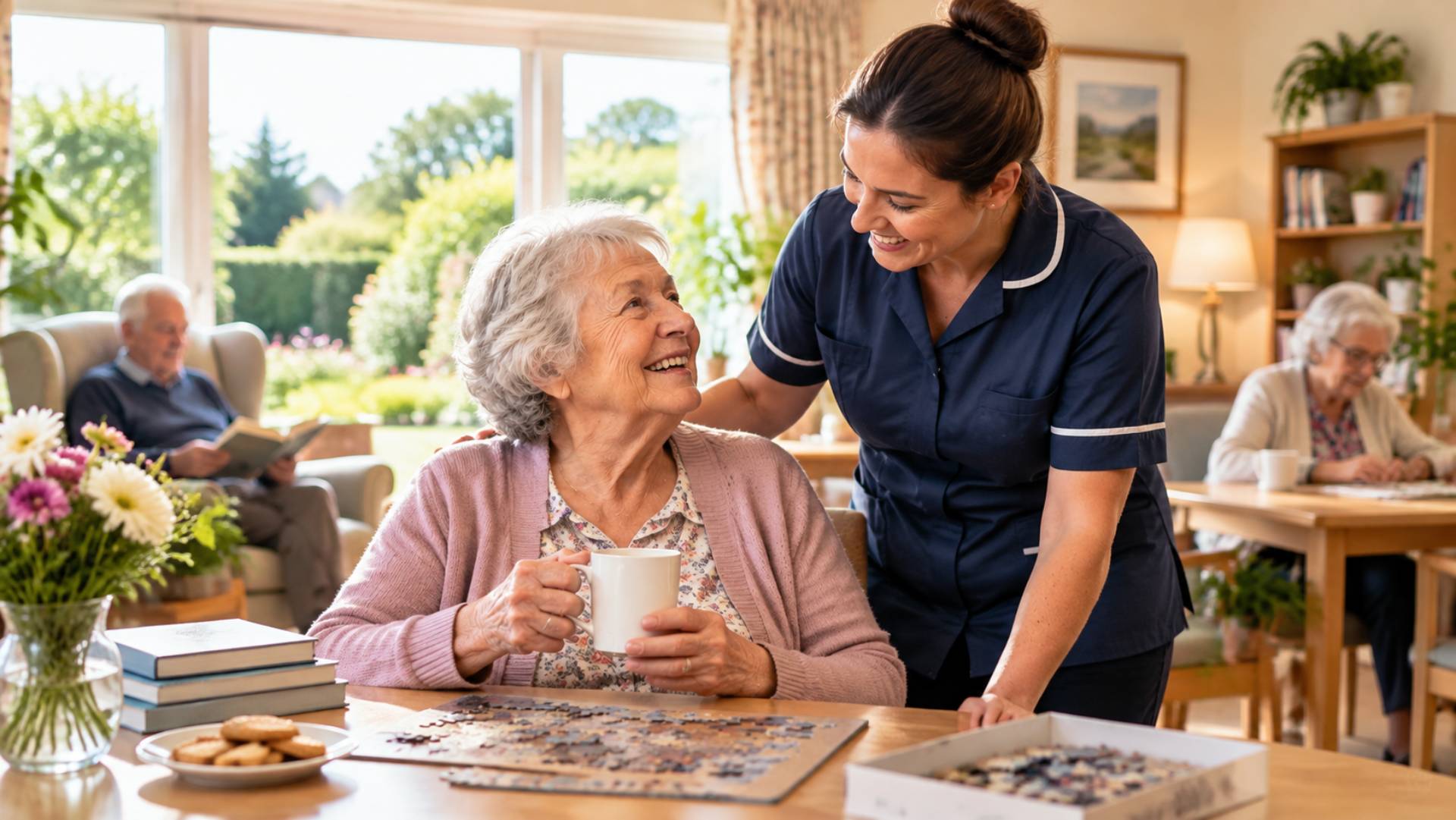
Cognitive support extends beyond clinical care into how residents spend their day. Structured activities are designed to stimulate thinking, encourage interaction, and provide a sense of purpose. Engagement may be social or individual, energetic or calm, depending on preference and ability.
The aim is not constant stimulation but meaningful participation. Familiar activities, gentle mental exercises, and shared experiences help maintain focus and emotional connection. These daily moments of engagement contribute to improved mood, reduced agitation, and stronger social bonds within the home.
Movement and Physical Activity as Daily Essentials
Physical activity remains important regardless of age or mobility level. Care homes integrate movement into daily routines to support circulation, balance, and muscle tone. Activity is adapted to each resident’s capability, ensuring safety without discouraging participation.
Regular movement supports not only physical health but also mental clarity and sleep quality. Even small, guided activities can improve confidence and reduce the risk of falls. In professional care homes physical activity is treated as an essential component of care rather than an optional extra.
Nutrition That Supports Strength and Recovery
Nutrition plays a central role in managing both cognitive and physical health. Balanced meals support energy levels, immune function, and overall resilience. Care homes plan menus carefully to meet dietary requirements while respecting personal preferences and cultural needs.
Mealtimes are structured to be calm and sociable, encouraging appetite and routine. Where assistance is required, it is provided discreetly and patiently. Consistent nutritional support helps residents maintain strength and manage health conditions more effectively over the long term.
Emotional Reassurance and Mental Wellbeing
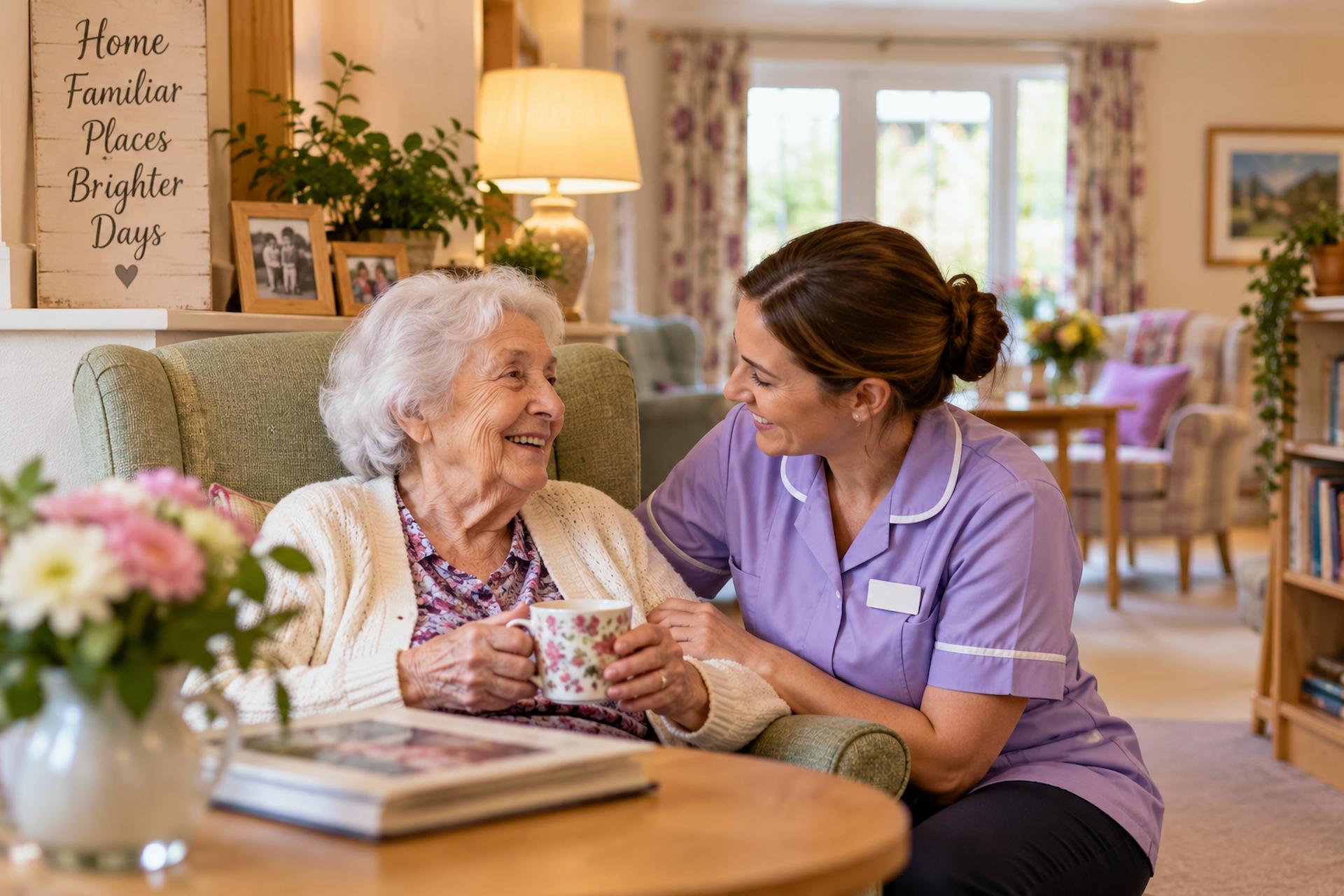
Emotional wellbeing is closely linked to physical and cognitive health. Care staff build strong, trusting relationships with residents, offering reassurance, companionship, and attentive listening. This consistent presence helps reduce feelings of isolation and uncertainty.
Emotional support is woven into everyday interactions rather than delivered as a separate service. By fostering familiarity and understanding, care homes create an environment where residents feel valued and secure, even as their needs become more complex.
Frequently Asked Questions
How do care homes support residents with both cognitive and physical needs?
Care homes use personalised care plans that combine cognitive support with physical assistance. This ensures residents receive the right balance of supervision, encouragement, and independence as their needs evolve.
What type of cognitive support is available in care homes?
Cognitive support focuses on structured routines, calm environments, trained staff interaction, and meaningful engagement to reduce confusion, anxiety, and distress while maintaining dignity.
How is physical health managed on a daily basis?
Physical health is supported through assisted personal care, medication management, safe mobility support, regular movement, and ongoing health monitoring by trained care professionals.
Do care homes adapt care as a resident’s condition changes?
Yes, care plans are reviewed regularly to reflect changes in cognitive ability, mobility, or overall health, ensuring support remains appropriate and responsive at all times.
Why is person-centred care important in residential settings?
Person-centred care respects individual preferences, routines, and abilities, helping residents feel valued and secure rather than restricted or overlooked.
What role do care homes in Cambridgeshire play in long-term wellbeing?
Care homes in Cambridgeshire focus on holistic support that blends physical care, cognitive reassurance, emotional wellbeing, and daily structure to enhance long-term quality of life.
Wrap-Up
Supporting residents with both cognitive and physical needs requires more than basic care. It demands thoughtful planning, skilled staff, and an environment designed around dignity and adaptability. From personalised care plans and structured routines to physical support, nutrition, and emotional reassurance, care homes in Cambridgeshire demonstrate how comprehensive care can enhance quality of life at every stage. Families seeking long-term care can take reassurance from settings that prioritise individual needs while promoting comfort, engagement, and wellbeing. When care is delivered with consistency and compassion, residents are not merely supported—they are enabled to live with greater confidence and security.