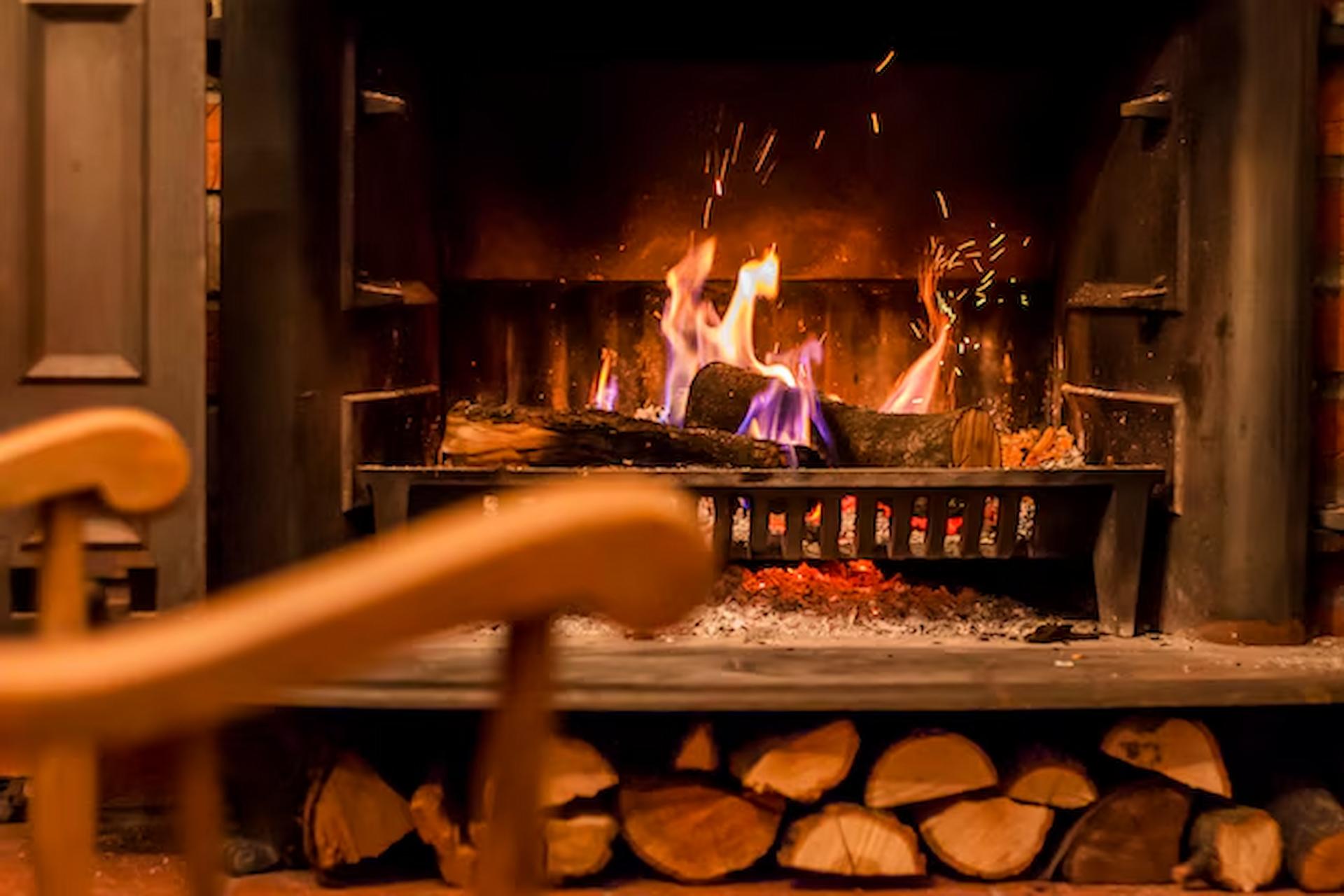
A fireplace often becomes the heart of a home, especially during colder seasons. It provides warmth, creates atmosphere, and adds value to your living space. However, behind that comforting glow, there may be hidden issues that reduce safety and performance. Many homeowners overlook these problems because they are not immediately visible. Over time, though, even minor faults can lead to serious risks, including poor air quality, inefficient heating, or fire hazards.
Understanding the less obvious fixes can make a significant difference. By addressing these underlying concerns, you not only improve efficiency but also extend the life of your fireplace system. More importantly, you create a safer environment for your home and family.
The Importance of a Properly Maintained Flue
The flue is one of the most critical components of any fireplace. It allows smoke, gases, and harmful by-products to escape safely. When the flue is damaged, blocked, or improperly sized, it can lead to dangerous situations.
Over time, soot and creosote build up inside the flue. This residue is highly flammable and can ignite if not cleaned regularly. In addition, cracks or gaps in the flue lining can allow heat and gases to escape into surrounding structures. This increases the risk of fire and reduces overall efficiency.
This is where chimney relining becomes essential. A properly relined chimney improves airflow, prevents leaks, and ensures harmful gases are safely vented outside. It also enhances the performance of the fireplace by maintaining a consistent draft, which helps fuel burn more efficiently.
Airflow: The Hidden Key to Efficiency
Airflow plays a crucial role in how well your fireplace performs. Poor ventilation can cause smoke to linger inside your home, making the fireplace uncomfortable and unsafe to use.
One common issue is an inadequate draft. This happens when the chimney cannot pull enough air upward, causing smoke to flow back into the room. Several factors contribute to this, including chimney height, blockages, and even nearby structures that disrupt airflow.
Simple adjustments can often resolve these issues. Clearing obstructions, adjusting the damper, or improving chimney design can restore proper airflow. When airflow is balanced, the fire burns cleaner, produces more heat, and reduces the buildup of harmful residues.
The Role of the Damper in Fireplace Safety
The damper is a small but vital component that controls airflow in your chimney. When it is working correctly, it helps regulate the fire and prevents heat from escaping when the fireplace is not in use.
However, dampers can wear out or become misaligned over time. A faulty damper may not close properly, allowing cold air to enter your home and warm air to escape. This reduces energy efficiency and increases heating costs.
More importantly, a malfunctioning damper can affect how smoke is vented. If it does not open fully, smoke and gases may not exit properly, leading to indoor air pollution.
Repairing or replacing the damper is a simple fix that can greatly improve both safety and performance. It ensures better control over airflow and helps maintain a consistent and efficient burn.
Addressing Hidden Structural Damage
Fireplaces and chimneys are exposed to constant heat and weather conditions. Over time, this can lead to structural damage that is not always visible from the outside.
Cracks in the masonry, deteriorating mortar joints, and weakened chimney crowns are common issues. These problems allow moisture to enter the structure, which can worsen over time and compromise stability.
Moisture damage is particularly concerning because it accelerates wear and can lead to internal decay. When combined with high temperatures, this creates a dangerous environment that increases the risk of chimney fires.
Repairing these hidden structural issues early prevents costly damage and ensures that your fireplace remains safe to use. It also improves overall durability and performance.
The Impact of Creosote Buildup
Creosote is a natural by-product of burning wood, but it can quickly become a serious hazard. It accumulates inside the chimney and forms a sticky, flammable layer.
If not removed regularly, creosote can ignite and cause chimney fires. These fires can spread rapidly and cause extensive damage to your home.
Regular cleaning is essential to prevent buildup. Professional inspections can also identify areas where creosote accumulates more quickly, allowing targeted cleaning and maintenance.
Reducing creosote not only improves safety but also enhances efficiency. A clean chimney allows for better airflow, which results in a cleaner and hotter burn.
Sealing Gaps and Preventing Heat Loss
Many fireplaces lose heat due to small gaps and leaks that are often overlooked. These gaps may exist around the chimney, flue, or fireplace opening.
When heat escapes through these openings, your fireplace becomes less efficient. This means you need more fuel to achieve the same level of warmth.
Sealing these gaps is a simple yet effective fix. It helps retain heat, improves energy efficiency, and reduces overall heating costs.
In addition, proper sealing prevents drafts and keeps cold air from entering your home. This creates a more comfortable and controlled indoor environment.
The Value of Regular Inspections
Regular inspections are one of the most effective ways to identify hidden issues before they become serious problems. A professional inspection can uncover damage that is not visible to the untrained eye.
Inspectors check for structural integrity, flue condition, airflow efficiency, and signs of wear. They also assess safety features to ensure that everything is functioning correctly.
Routine inspections provide peace of mind and help maintain optimal performance. They allow you to address minor issues early, avoiding costly repairs in the future.
Improving Fuel Quality and Burning Practices
The type of fuel you use has a direct impact on fireplace performance. Wet or unseasoned wood produces more smoke and creosote, which increases the risk of buildup and reduces efficiency.
Using properly seasoned wood ensures a cleaner burn. It produces more heat and less residue, which keeps your chimney cleaner for longer.
Burning practices also matter. Avoid overloading the fireplace and ensure proper ventilation during use. These simple habits contribute to better performance and increased safety.
Final Thoughts
A fireplace is more than just a decorative feature. It is a functional system that requires attention and care. While some issues are easy to spot, many of the most important fixes remain hidden.
By addressing these underlying concerns, you can improve both safety and performance. From maintaining the flue to ensuring proper airflow and structural integrity, each step plays a crucial role.
Investing in these hidden fixes not only protects your home but also enhances the comfort and efficiency of your fireplace. With regular maintenance and informed decisions, you can enjoy the warmth and ambience of your fireplace with complete peace of mind.