
Staying active as we grow older involves more than physical exercise. Meaningful social contact plays a central role in maintaining wellbeing, purpose and enjoyment of daily life. Regular interaction with others can support both body and mind in practical, everyday ways.
Many people find that the right environment makes it easier to keep those connections going. For some, a residential care home in Abingdon provides structured opportunities for company, shared interests and gentle encouragement to remain engaged, without the pressures of managing a household alone.
Why Social Activities Matter in Later Life
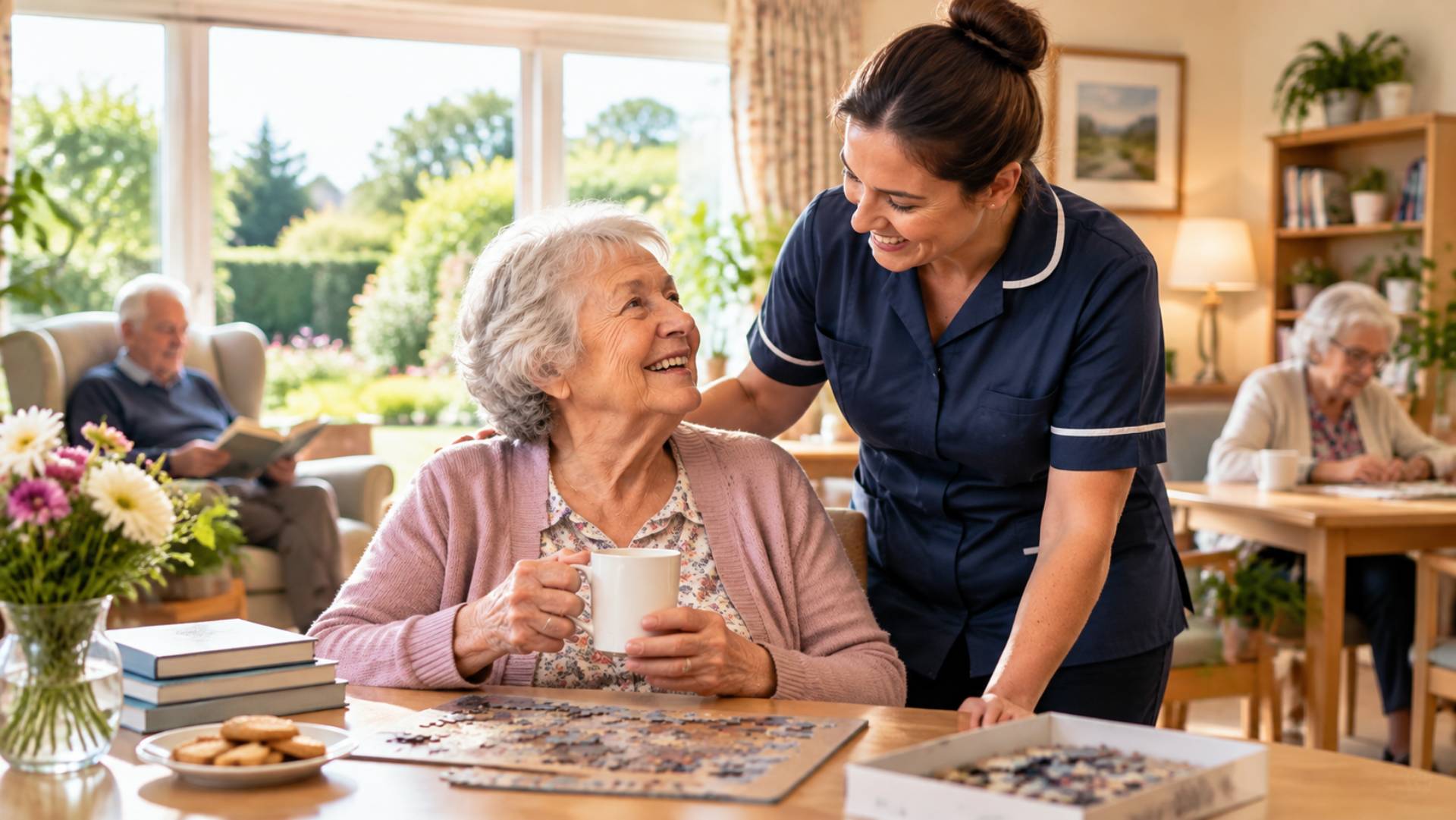
Social activities give older people reasons to get up, dress and leave their private space. They create a sense of routine and belonging that helps counteract the isolation that can develop when family and friends live further away or when mobility becomes limited. Simple shared experiences, such as a cup of tea with neighbours, a group game or a short outing, remind people that they still have a valued place in a community.
These interactions also offer mental stimulation. Conversation, laughter and mild problem-solving keep the mind flexible. Over time, consistent social contact can help people feel more confident about their abilities and more willing to try new things.
Physical and Mental Health Benefits
Being with others often encourages gentle movement. Walking to a communal lounge, joining a seated exercise session or helping set tables for a meal all add small amounts of activity that support strength, balance and circulation. The motivation to take part comes more readily when there is company rather than when someone is alone.
Mentally, regular social contact is linked to better mood and clearer thinking. Talking through everyday topics or sharing memories can reduce feelings of loneliness and give people a sense of continuity with their earlier lives. Activities that involve music, art or light discussion also provide cognitive exercise without feeling like hard work.
Emotional wellbeing improves when people feel noticed and appreciated. A friendly greeting or a shared joke can lift spirits in a way that solitary pastimes sometimes cannot.
Building Connections and Reducing Isolation
Isolation often grows gradually. A person may manage well at home for years, then find that fewer visitors call or that getting out becomes harder. Social activities create natural opportunities to reverse that pattern. Group settings allow friendships to form at a comfortable pace. Some people prefer quiet chats; others enjoy livelier gatherings. Both styles of contact help maintain a sense of being part of something larger.
Family members also benefit. When older relatives have a circle of acquaintances and regular events to talk about, visits become less one-sided. Conversation flows more easily and concerns about loneliness ease.
In a residential care home in Abingdon, these connections are supported by the daily rhythm of the home. Shared meals, activity sessions and informal conversations in communal areas make it simpler for residents to meet people with similar interests or life experiences.
Practical Ways to Stay Socially Active
Staying socially engaged does not require large events or perfect health. Small, consistent steps often work best.
- Start with familiar activities: coffee mornings, card games, or watching a favourite television programme with others.
- Look for groups that match current energy levels, such as seated exercise, singing, or short discussion circles.
- Keep contact with existing friends through telephone calls or short visits, and gradually add new faces.
- Accept help with transport or arrangements when needed so that practical barriers do not stop participation.
- Choose environments where staff or organisers gently encourage involvement without pressure.
These approaches work whether someone is living independently, with family support, or in a care setting. The key is regularity and a sense of choice.
When Professional Support Can Help
There comes a point for some people when organising social life independently becomes difficult. Changing care needs, reduced mobility or increasing forgetfulness can make it hard to maintain previous patterns. At that stage, professional advice from a GP, social worker or care adviser can clarify options. They can help assess what level of support would allow someone to keep enjoying company and activity safely.
A well-run care home focuses on maintaining independence and lifestyle rather than restricting it. Staff who know residents’ likes and dislikes can suggest suitable activities and provide discreet help so that people continue to take part.
FAQs
Q.1 What counts as a social activity for older people?
Any shared experience that involves contact with others. This includes conversations over meals, group hobbies, short walks with companions, or simply sitting in a communal area and talking. The activity itself can be quiet or lively; the important element is the human connection.
Q.2 How can family members encourage social contact?
Offer practical help with transport or invitations, and join in occasionally so the activity feels familiar. Listen to preferences rather than pushing large groups if quieter company is preferred. Regular short visits and telephone calls also maintain links.
Q.3 Are social activities still possible with limited mobility?
Yes. Many activities can be adapted for seated participation. Board games, music sessions, craft work and conversation circles require little movement yet still provide company and stimulation.
Q.4 When might residential care support a more active social life?
When managing a home and arranging outings becomes too demanding, or when isolation is growing despite family efforts. A care setting can remove practical barriers and provide ready-made opportunities for company and shared interests.
Q.5 How do social activities help mental wellbeing?
They reduce loneliness, provide mental stimulation through conversation and shared interests, and create a sense of purpose and belonging. Regular positive contact supports mood and can make everyday life feel more rewarding.
Conclusion
Social activities form a practical foundation for wellbeing in later life. They support physical movement, mental sharpness and emotional balance through everyday contact with others. Choosing environments that make these connections easier can help people continue to enjoy company and purpose.
For those considering additional support, a residential care home in Abingdon can offer structured opportunities for social engagement alongside personal care. The most useful step is to look for settings that prioritise individual interests and gentle encouragement, so that staying active remains a natural part of daily life.