An air conditioner often gives warning signs before it fails during extreme summer heat. Early maintenance can improve airflow, reduce strain, and reveal small problems before they become expensive repairs. A few practical checks, combined with professional service, can help protect comfort, efficiency, and dependable cooling when temperatures rise most.
An air conditioning failure feels far worse during peak summer heat. Fortunately, many issues develop gradually and can be prevented with early attention. Scheduling a seasonal ac maintenance service before heavy use allows the system to be inspected, cleaned, and tested. Homeowners can also help by replacing filters, clearing outdoor debris, checking thermostat settings, and watching for weak airflow or unusual sounds. These simple steps reduce strain, improve efficiency, and help prevent small issues from turning into major breakdowns during the hottest months.
Start With Basic Home Maintenance
Basic maintenance helps your air conditioner operate with less strain as temperatures begin to rise. A few simple checks around the home can improve airflow, support steady cooling, and reveal visible problems before they become more difficult to correct.
1. Replace or Clean the Air Filter
A dirty air filter restricts airflow and forces the system to work harder. This can reduce comfort, increase energy use, and contribute to frozen coils. Check the filter before summer and inspect it monthly during heavy use. Replace disposable filters when dirty, or clean reusable filters as directed by the manufacturer.
2. Clear the Outdoor Unit
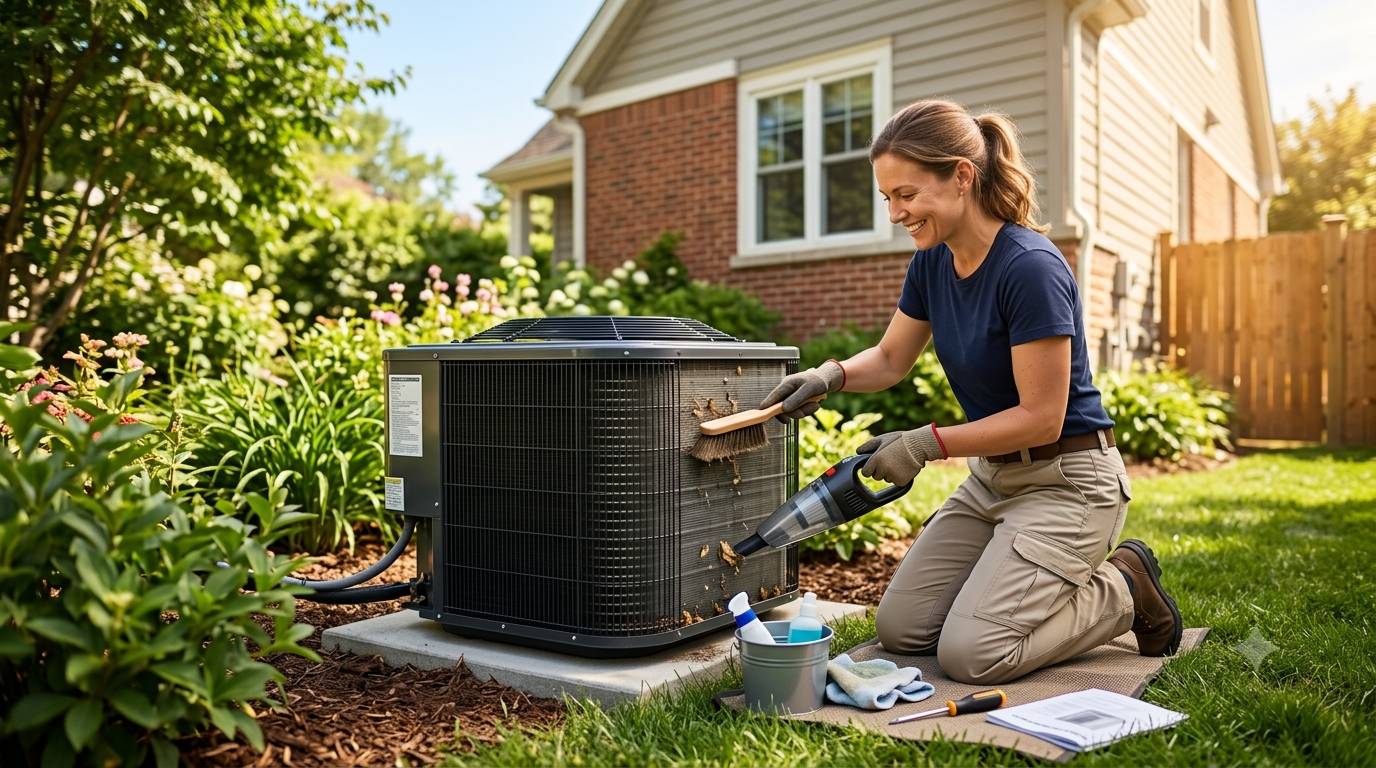
Leaves, weeds, dirt, and grass clippings can block airflow around the outdoor condenser. Turn the system off before removing loose debris, and keep plants or stored items away from the cabinet. Do not open panels or spray electrical parts, since deeper cleaning requires professional care.
3. Test the Thermostat
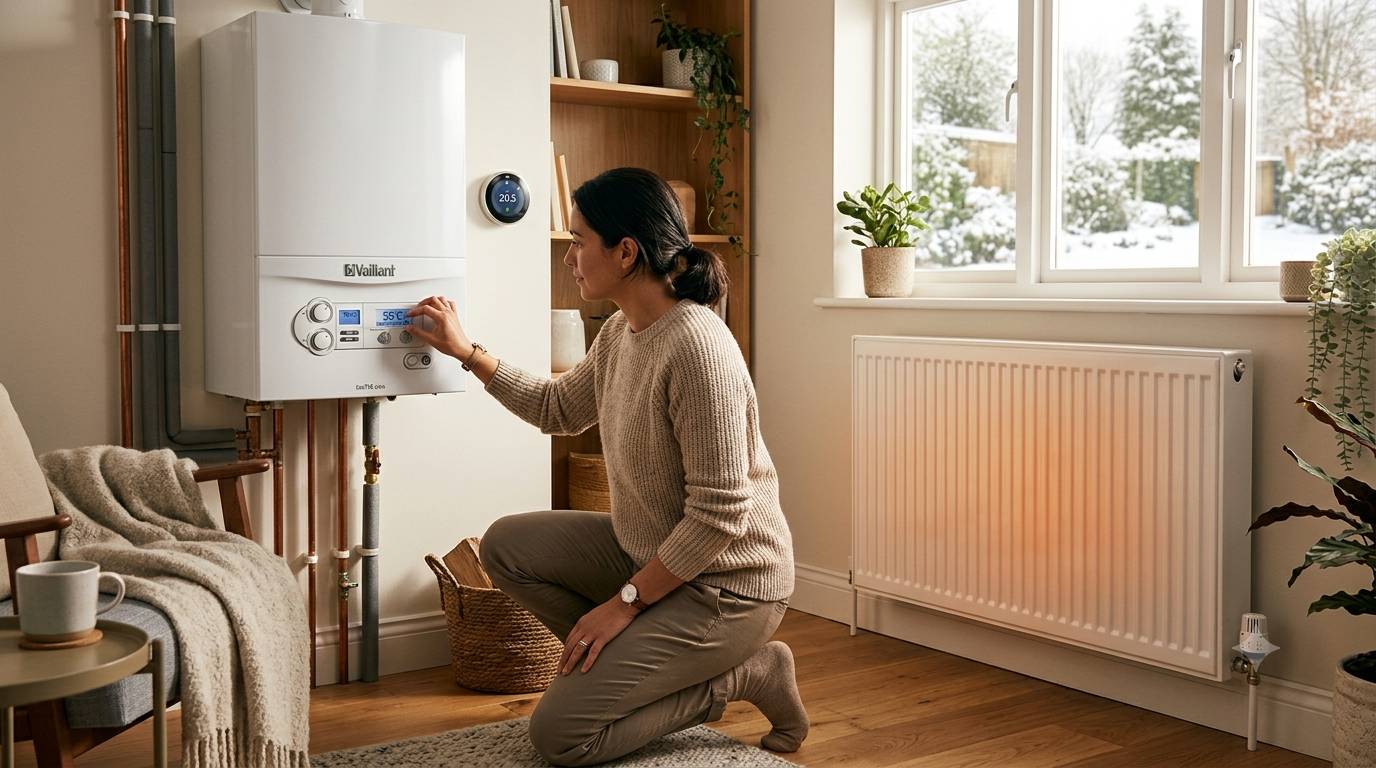
Confirm that the thermostat is set to cooling mode and below the current room temperature. Replace weak batteries and check whether the display responds correctly. If the room remains warmer than the setting, the thermostat may need calibration or professional inspection.
Notice Problems Before Cooling Stops
Air conditioners often show small changes in performance before they stop working completely. Paying attention to weak airflow, strange sounds, unusual odors, or moisture can help you identify a developing problem and arrange repairs before peak summer heat arrives.
Watch Airflow and Cooling Performance
Weak airflow, uneven temperatures, warm air, or longer cooling cycles can signal a developing problem. Compare airflow between rooms and pay attention to sudden changes. Warning signs include:
- Frequent starting and stopping
- Grinding, rattling, or buzzing sounds
- Musty or burning odors
- Water near the indoor unit
- Unexpectedly higher cooling costs
These symptoms may point to airflow restrictions, drainage trouble, electrical faults, or worn internal parts. Acting early can prevent a minor performance issue from becoming a complete system shutdown.
Check for Drainage Trouble
Your air conditioner removes moisture from indoor air and sends it through a condensate drain. A blockage can cause leaks, increased humidity, water damage, or system shutdowns.
Look for standing water, dampness, or stains near the indoor equipment. Homeowners can keep the visible drain area clean, but persistent drainage problems should be handled by a trained technician.
Arrange Professional Service Early
Home maintenance can support AC performance, but it cannot replace a complete system inspection. Professional service allows trained technicians to examine internal components, test system operation, and identify hidden concerns that may cause breakdowns later.
Have Key Components Inspected
Some maintenance tasks require specialized tools and training. A professional seasonal ac maintenance service can check refrigerant, coils, electrical connections, thermostat calibration, airflow, and safety controls. These checks can uncover problems that are not visible during a basic homeowner inspection.
Book service before peak summer heat. HVAC schedules get busier as temperatures rise, leaving less time for repairs before breakdowns occur.
Avoid Risky DIY Repairs
Changing filters and clearing surface debris are reasonable homeowner tasks. Refrigerant work, electrical testing, internal coil cleaning, and component replacement are not.
Improper repairs can damage equipment, create safety risks, or affect warranty coverage. Turn the system off and contact a professional if it repeatedly trips breakers, makes harsh mechanical noises, leaks, or stops producing cool air.
Reduce Strain Throughout Summer
Even a well-maintained air conditioner can struggle if it is placed under unnecessary pressure every day. Supporting airflow, limiting indoor heat gain, and using steady thermostat settings can help the system cool more efficiently throughout the summer.
Support Efficient Cooling
Keep vents open and unblocked to maintain proper airflow and avoid extra strain on the system. Keep windows closed while the AC is running.
Use blinds or curtains to reduce heat from sunlight, and avoid frequent or extreme thermostat changes. A steady temperature helps the system run more efficiently.
Continue checking the filter and outdoor unit during summer. If cooling becomes uneven, louder, or less effective, schedule an inspection early.
FAQs
Understanding common AC maintenance concerns can help homeowners make better decisions before summer temperatures become extreme. These answers address important questions about maintenance timing, warning signs, cooling problems, and routine filter care.
Can Maintenance Prevent Every AC Breakdown?
No maintenance plan can prevent every mechanical failure. However, routine care can identify airflow problems, worn parts, drainage issues, electrical concerns, and performance changes before they become cooling emergencies.
When Should AC Maintenance Be Scheduled?
Spring or early summer is usually the best time. The system can be inspected before continuous hot-weather use begins, giving homeowners enough time to arrange any recommended repairs.
Why Is My AC Running but Not Cooling Well?
Common causes include a clogged filter, dirty coils, thermostat problems, duct restrictions, or low refrigerant. Because several faults can create similar symptoms, professional testing may be needed to identify the exact cause.
Should I Turn Off an AC That Makes Noise?
Turn the system off if you hear loud grinding, scraping, buzzing, or repeated clicking, especially when cooling performance also changes. Continuing to operate the unit could cause further damage.
How Often Should the Filter Be Checked?
Inspect the air filter monthly during heavy summer use. Homes with pets, dust, remodeling activity, or higher occupancy may require more frequent checks and replacements.
The Bottom Line
Early AC maintenance provides one of the most practical ways to protect cooling performance during extreme heat. Combining regular homeowner checks with professional inspection can reduce equipment strain, improve comfort, and prevent minor concerns from developing into disruptive summer breakdowns.
Mid-summer AC failures often start with simple issues like restricted airflow, outdoor debris, drainage problems, thermostat errors, or worn parts. Replacing filters, keeping the condenser clear, monitoring performance, and responding to unusual sounds can help reduce strain and prevent breakdowns. However, home maintenance should not replace professional inspection. Refrigerant checks, electrical testing, coil cleaning, thermostat calibration, and safety reviews require proper tools and expertise. Early attention also allows time to plan repairs instead of rushing during peak heat. Schedule maintenance before temperatures rise, continue basic checks through summer, and address performance changes quickly. A timely seasonal ac maintenance service helps improve efficiency, maintain comfort, and reduce the risk of unexpected failure during extreme heat.