


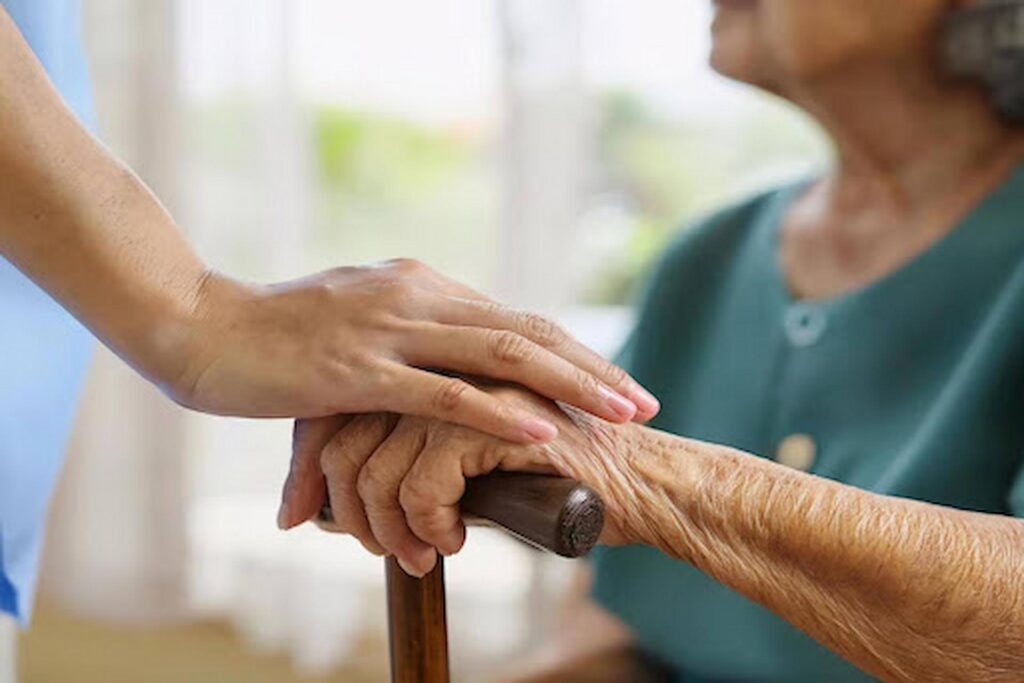
A strong sense of community is essential for emotional wellbeing, especially for older adults living in residential environments. Feeling connected, valued, and understood can transform everyday life, turning a care setting into a supportive and uplifting home. Modern care homes place great emphasis on building meaningful relationships, encouraging social interaction, and creating opportunities for shared experiences. Through thoughtful design, personalised support, and welcoming environments, they help residents form real bonds that enhance confidence, happiness, and overall quality of life.
A genuine sense of belonging shapes how people feel, behave, and interact with the world around them. In later life, this feeling becomes even more important, helping individuals maintain purpose, identity, and emotional strength. Today, care settings understand the need to create spaces where residents feel connected, supported, and truly part of a community rather than simply receiving care. Many care homes in Hemel Hempstead are leading the way in creating environments that encourage connection, shared experiences, and emotional security for everyone.
This approach helps residents continue living fulfilling lives. It strengthens emotional wellbeing, reduces loneliness, and promotes a warm atmosphere where everyone feels valued, respected, and involved. By focusing on community life, care settings support confidence, purpose, and lasting happiness.
Creating Warm and Inclusive Social Environments
Human connection is essential to wellbeing. Care homes focus on creating welcoming shared spaces where people can interact naturally. Comfortable lounges, open dining areas, and inviting outdoor spaces encourage conversation and neighbourly relationships. These environments help residents feel part of something larger than themselves. Within many care homes in Hemel Hempstead, community activities and open social spaces allow residents to share time together, form friendships, and enjoy uplifting daily routines that feel meaningful and familiar.
Shared experiences make everyday life more engaging. Social environments where laughter, conversation, and companionship thrive help people maintain identity and emotional stability. As a result, residents feel less isolated and more connected to a supportive network.
Encouraging Participation Through Group Activities
Group involvement is a powerful tool for creating community spirit. Activities that bring residents together allow them to explore interests, strengthen communication, and enjoy shared achievements. When individuals feel they have something to offer, confidence naturally grows.
Group experiences may include:
- Social gatherings and celebrations
- Creative workshops and hobbies
- Group movement sessions for mobility and relaxation
- Learning-based sessions that stimulate the mind
These opportunities help residents remain mentally active and emotionally connected. Regular involvement supports independence, communication, and meaningful friendships.
Empowering Residents With Choice and Independence
A sense of control is vital for emotional wellbeing. When residents participate in decision-making, they feel respected and valued. Care settings encourage people to express preferences around routines, mealtimes, and personal goals, giving individuals ownership over daily life.
Residents are often invited to contribute ideas about:
- Activities and events
- Dining options and menu choices
- Use of shared spaces
- Personal preferences and routines
This collaborative approach nurtures dignity, individuality, and inclusion. It transforms everyday living into shared community life rather than passive care.
Designing Physical Spaces That Promote Connection
The layout and design of a home strongly influence how relationships develop. Spaces that feel open, calm, and welcoming encourage movement and shared interaction. Natural light and safe outdoor areas create settings that support positive experiences and relaxation.
Thoughtful design helps residents:
- Move comfortably and confidently
- Interact more frequently with others
- Spend time outdoors for emotional balance
- Feel calm and secure
These elements help community life flourish and ensure that everyone feels welcome and included.
Supporting Emotional Wellbeing Through Personal Relationships
Care teams play an essential role in shaping community culture. Warm, respectful relationships between carers and residents build trust and security. Friendly communication and consistent support encourage confidence and emotional stability. When people feel understood and valued, they are more likely to participate in social life and develop meaningful friendships.
This supportive approach strengthens bonds across the entire community, creating an uplifting atmosphere where everyone can thrive.
Family Engagement Strengthens Community Bonds
Strong connections between residents, families, and care teams reinforce emotional wellbeing. Open communication and regular involvement help families feel included and reassured. Structured opportunities for shared time support unity and trust.
Family engagement often includes participation in events, supportive conversations, and shared decision-making. When families feel welcome, community life becomes stronger and more emotionally fulfilling for everyone.
Maintaining Purpose and Meaning Each Day
Purpose helps people stay motivated and positive. Many care settings encourage residents to contribute to community life in ways that reflect personal strengths and interests. Small responsibilities, creative involvement, and opportunities to support others help residents recognise their value and maintain pride in their abilities.
Purposeful living fosters identity, belonging, and emotional resilience. It strengthens community spirit and builds an uplifting daily routine.
Conclusion
Community-focused care transforms residential living into an enriching experience filled with connection, respect, and shared purpose. By encouraging participation, promoting independence, and supporting emotional wellbeing, homes create uplifting environments where individuals feel secure and valued. Meaningful relationships, social engagement, and inclusive spaces ensure that residents continue living with dignity, confidence, and purpose.
Many care homes in Hemel Hempstead prioritise building strong communities that support happiness and emotional wellbeing. Through thoughtful care, personalised involvement, and shared experiences, they help residents feel genuinely connected to the life around them and proud to be part of a warm and welcoming home.