


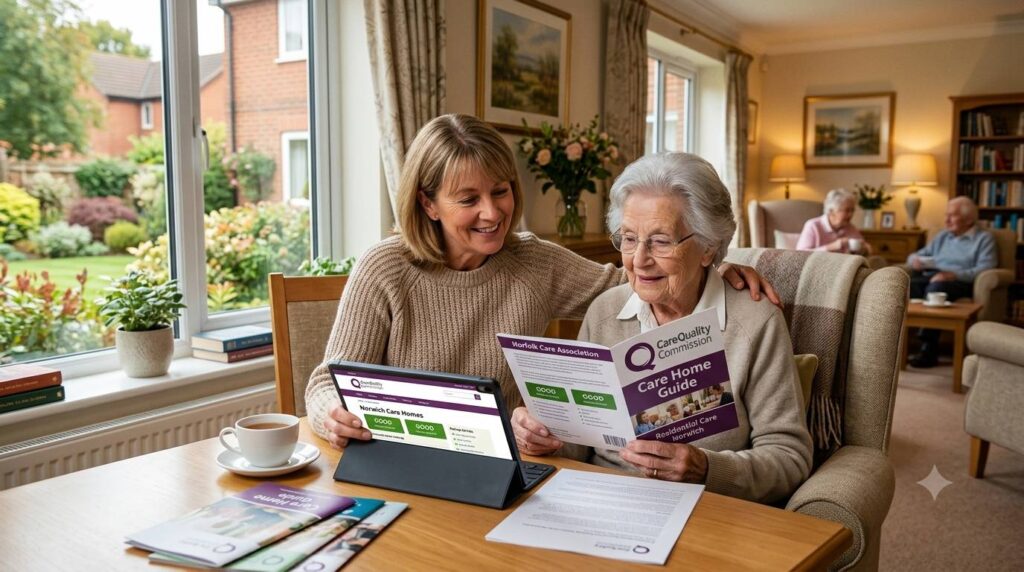
Choosing a care home for an older relative is an important decision that requires careful thought. Families need to consider the quality of care, residents’ safety, staff support and whether the home can meet changing needs. The Care Quality Commission (CQC) provides independent assessments that can help families make informed choices about care services in England.
When comparing residential care homes Norwich, understanding CQC ratings is a useful starting point. These ratings offer an overview of a service’s performance, but the inspection findings, the home’s approach to individual care and your own observations during a visit are equally important when deciding whether a particular setting is suitable.
What Is the Care Quality Commission?
The Care Quality Commission is the independent regulator of health and social care services in England. It assesses registered care providers to determine whether they meet expected standards and publishes reports explaining its findings.
For families considering residential care, CQC reports provide information about how a home operates, how staff support residents and whether the service meets the regulator’s requirements. They can also identify areas where improvements are needed.
A rating should not be treated as a permanent guarantee of quality. A care home’s performance can change as staffing, management, residents’ needs and working practices evolve. Checking the latest available assessment helps families understand the regulator’s most recent view of the service.
Understanding the Four Main CQC Ratings
The CQC uses four principal ratings to describe the quality of services it assesses. Understanding what each means helps families interpret inspection results accurately.
Outstanding
This rating means a service is performing exceptionally well. It reflects care that goes beyond the regulator’s usual expectations in important respects. Families should still read the inspection report to understand which aspects of the service received particular praise and whether they match their relative’s needs.
Good
A Good rating means the service is performing well and meeting the CQC’s expectations. It can provide reassurance about the standards identified during the assessment, but it does not mean every aspect of care is perfect.
Families should examine the findings behind the rating and ask about any recommendations or areas for development mentioned in the report.
Requires Improvement
This rating indicates that the service is not performing as well as it should in one or more areas. The CQC will have identified shortcomings that require attention.
A lower rating does not automatically mean a care home is unsuitable. However, families should establish what went wrong, what corrective action has been taken and whether the improvements have been checked.
Inadequate
An Inadequate rating means the service is performing badly and the CQC has taken enforcement action. This should prompt careful examination of the inspection findings and any action the regulator has required.
Families should understand the nature and seriousness of the concerns before considering the service. If significant safety or care issues remain unresolved, looking at alternatives may be appropriate.
The Five Areas the CQC Assesses
The CQC evaluates care services against five key questions. Each focuses on a different aspect of the experience residents receive, helping families look beyond the overall rating.
1. Is the service safe?
Safety covers how effectively a home protects residents from avoidable harm. Inspectors consider areas such as safeguarding, medicines management, risk assessments, infection prevention and staffing arrangements.
During a visit, look for clean, well-maintained surroundings and ask how staff respond to falls, medical concerns and emergencies.
2. Is the service effective?
This area examines whether care meets residents’ needs and supports their wellbeing. It includes staff skills, appropriate care planning, access to healthcare and support with nutrition and hydration.
Ask how the home assesses new residents and reviews care plans when their circumstances change.
3. Is the service caring?
The caring assessment considers whether residents are treated with kindness, dignity and respect. It also looks at how staff protect privacy and support people to make choices about everyday life.
Observe staff interactions during your visit. Respectful communication, patience and consideration for individual preferences can help you understand the atmosphere of the home.
4. Is the service responsive?
A responsive service adapts care to individual needs, preferences and circumstances. Inspectors consider whether care plans reflect residents’ requirements and whether concerns, complaints and changing needs receive appropriate attention.
Ask how the home accommodates personal routines, hobbies, cultural preferences and communication needs.
5. Is the service well-led?
This assessment examines management, leadership, oversight and the systems used to maintain care standards. Effective leadership helps identify problems, learn from incidents and introduce improvements.
Families can ask how managers collect feedback, monitor care quality and communicate changes to residents and relatives.
How to Read a CQC Inspection Report Properly
The overall rating provides a useful summary, but the detailed report offers a clearer understanding of the service. A home may receive different ratings across the five assessment areas, highlighting strengths as well as aspects that need improvement.
Pay attention to the inspection date, the evidence collected and any identified shortfalls. Consider whether the report describes isolated concerns or broader weaknesses in how the home is managed. If improvements were required, check whether the provider has explained the action taken and whether subsequent assessments confirm progress.
It is also important to recognise that inspection reports reflect the evidence available at the time of assessment. They cannot predict every future experience or replace your own enquiries.
Practical Steps When Comparing Care Homes in Norwich
Once you have reviewed the available ratings, arrange visits to the homes you are considering. Seeing the environment and speaking with staff can help you judge whether the service is appropriate for your relative.
Focus on these practical steps:
- Check the latest report: Read the overall rating and each individual assessment area, noting any concerns that could affect your relative.
- Ask about individual care: Find out how staff assess personal needs, maintain independence and respond when health or mobility changes.
- Observe staff interactions: Notice whether residents are treated respectfully and whether staff communicate patiently.
- Discuss staffing and management: Ask how the home maintains appropriate staffing arrangements and supports staff training.
- Explore daily life: Find out about meals, activities, visiting arrangements, privacy and opportunities for companionship.
- Clarify costs and care arrangements: Request a written breakdown of fees and ask what happens if additional support becomes necessary.
If the report identifies concerns, ask the manager specific questions about them. Clear explanations and evidence of follow-up can help you assess whether the provider takes quality improvement seriously.
Matching CQC Findings to Your Relative’s Needs
A strong inspection result is valuable, but suitability depends on the individual. Someone who needs help with washing, dressing and daily routines may have different priorities from someone who requires more specialised support.
Before choosing a home, consider whether it can meet current needs and how it would respond if those needs increased. Ask whether the service provides the required level of care and whether additional nursing or specialist support would be available if circumstances changed.
Where health needs are complex, advice from a GP, social worker or other relevant care professional can help clarify the support required. This is particularly important when deciding between residential care and nursing care, as the two offer different levels of clinical support.
FAQs
Q.1 What does a Good CQC rating mean for a care home?
A Good rating means the service is performing well and meeting the CQC’s expectations. Families should still read the full report to understand the findings and assess whether the home meets their relative’s specific needs.
Q.2 How often does the CQC inspect residential care homes?
Inspection timing depends on the regulator’s assessment of risk, service performance and other relevant information. There is no single fixed interval that applies to every home, so check the latest published report.
Q.3 Can a care home’s CQC rating change?
Yes. Ratings can change following further assessments as the quality of care improves or declines. Reviewing the latest available information is therefore important when comparing providers.
Q.4 Should I avoid a care home rated Requires Improvement?
Not automatically. Read the findings, establish which issues were identified and ask what action has been taken. Consider the seriousness of the concerns and whether the home can safely meet your relative’s needs.
Q.5 Where can I check a care home’s official CQC rating?
Use the Care Quality Commission’s official website to search for the service and review its rating, inspection history and published reports. Confirm that you have selected the correct home, as similarly named services may operate in different locations.
Conclusion
CQC ratings provide a valuable starting point when comparing care homes in Norwich, helping families understand how services perform in areas such as safety, effectiveness, dignity and management. Reading the detailed inspection report is essential for understanding the evidence behind the overall rating and any improvements required.
Before making a decision, visit shortlisted homes, ask direct questions and consider your relative’s preferences, current care needs and possible future requirements. Combining official inspection findings with careful observation and professional advice will help you make a more informed choice.