


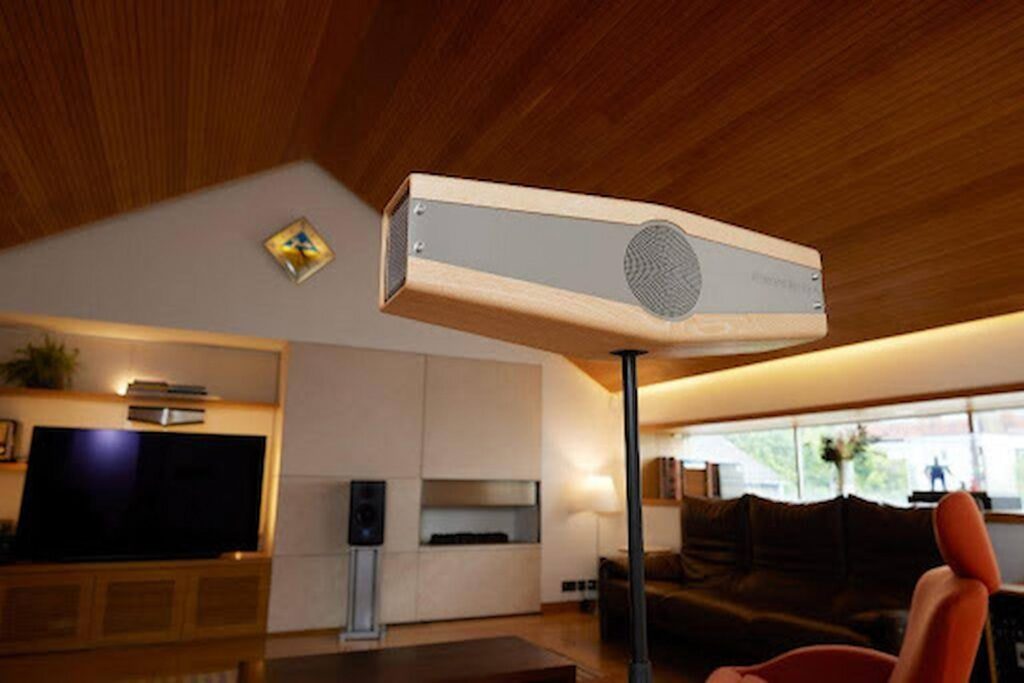
For a long time, progress in audio meant power. Bigger cabinets, deeper bass, higher peak levels. Crowds loved the thrill, at least for a while. Then fatigue crept in. Listeners started asking for detail, shape, and ease. They wanted sound that worked with the room and with the body, not against them.
A different idea now guides the field. Engineers try to make sound behave more like a living scene. Instead of forcing a mix forward, they arrange it in space and let the room help. Spacial audio solutions sit at the centre of this change. The aim is not volume. The aim is placement, motion, and believable depth that holds attention without strain.
Human hearing gives the blueprint. Each ear receives tiny timing and level differences, and the brain turns those clues into direction. Modern renderers copy those cues with careful delays and filters. When done well, a voice can feel close without shouting, and a melody can rise above the listener without a heavy rig. The room still matters, yet the system shapes how the room speaks.
Public spaces show why this matters. Shops can keep music gentle while speech stays clear at the till. Hotels can create calm in busy lobbies by steering low energy away from seating. Sports venues can lift announcements so they cut through cheers without hurting ears. None of this needs more watts. It needs smarter intent.
Adaptation makes the difference practical. Small microphones measure how walls and people change the response across the day. Software then trims harsh spots, fills thin areas, and refreshes the balance every few seconds. In effect, the system listens before it talks. Spacial audio solutions make that feedback loop simple enough for teams that are not acoustic experts.
Creative work also shifts. Composers write for movement as much as for harmony. A guitar line can circle a stage, then settle near centre for a chorus. In film, a quiet detail can pass behind the viewer and suggest scale more effectively than a loud hit. Even spoken word benefits, because gentle depth helps focus the ear on meaning rather than volume.
There are limits, and they deserve respect. Personal hearing varies with age and shape. One listener may prefer softer treble, another needs speech lifted. Systems try to learn those preferences, yet results still differ. Real rooms add more variables: glass, fabric, people, temperature. Precision remains an asymptote rather than a finish line, which is why designers keep a flexible mindset.
Cost used to block adoption, but that barrier is thinning. Phones now track head motion. Laptops create simple binaural fields for meetings. Smaller venues rent compact processors for short runs. The point is not to mimic a huge cinema. It is to deliver clear, spacious sound that fits the moment, whether that moment is a gallery tour or a training session.
The change affects behaviour as well as tone. When audio sits naturally in space, people move with less stress. They talk at comfortable levels. They keep listening longer. A teacher does not need to raise a voice as often. A customer hears a message without stepping closer to a speaker. Quiet wins, not because it hides, but because it lands with precision.
There is also a sustainability angle that merits attention. Smarter systems avoid waste by putting energy only where it helps. Targeted coverage means fewer amplifiers run at full tilt, and smaller speakers can do refined work when guided by accurate processing. Venues gain calm sound and lower bills. Audiences gain comfort. The city gains less noise spilling into streets after hours.
Teams choose placement over brute force, context over spectacle. With spacial audio solutions in place, a venue can feel larger without echo, and a song can feel intimate without compression. The technology might not be perfect, but its direction seems wise: make sound think, so people can simply listen.