


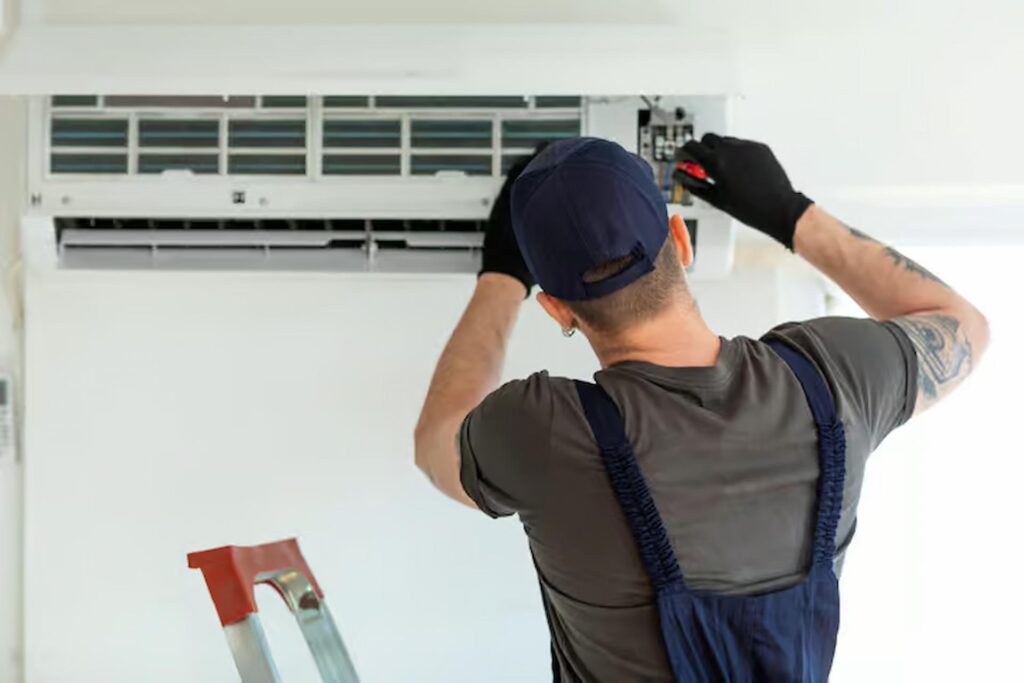
When an air conditioner stops working as expected, it often causes stress, discomfort, and uncertainty. Many people assume the worst straight away and call for help. However, some problems are simple to identify and, in some cases, easy to resolve. Understanding the early signs can save time, prevent further damage, and help you explain the issue clearly if professional support is needed.
Before reaching out for air conditioning repair in North Richland Hills, TX, it is useful to take a calm and methodical approach. Observing how your system behaves, and noting changes from its normal performance can reveal a great deal. These early checks do not require technical knowledge, only attention and patience.
Taking a few minutes to assess the situation may also reduce unnecessary air conditioning repair in North Richland Hills, TX. More importantly, it helps you act quickly if the problem points to a genuine fault that should not be ignored. Early action often prevents small issues from becoming costly failures.
Start With How the Air Feels Indoors
One of the first things to notice is the temperature inside your space. If the air feels warmer than usual, or takes longer to cool rooms, something may be wrong. Air conditioners tend to lose efficiency gradually, so small changes can be easy to overlook at first.
Pay attention to whether the air feels weak or uneven. Some rooms may cool normally while others remain warm. This can suggest an airflow issue rather than a complete system failure. On the other hand, if no cool air is coming through at all, the issue is likely more serious.
Changes in indoor comfort often appear before a total breakdown. Recognising these early signs gives you a head start.
Listen Carefully to Unusual Sounds
Air conditioning systems usually produce a steady, familiar sound. When new noises appear, they are often a warning sign. Rattling, buzzing, or grinding sounds suggest that something inside is not working as it should.
A sudden increase in noise can mean parts are loose or worn. A humming sound that does not stop may indicate the system is struggling to start properly. These sounds should not be ignored, especially if they persist.
Silence can also be a problem. If the system is switched on but makes no sound at all, it may not be receiving power or responding to controls.
Notice Any Unusual Smells
Smells are another important clue. A musty smell may point to moisture build-up, which can affect air quality and comfort. A burning smell, even a faint one, should be taken seriously and addressed quickly.
Unpleasant odours often appear when the system has not been running efficiently for some time. They may worsen if left unchecked. While smells alone do not always indicate major damage, they do suggest that something needs attention.
If a smell appears suddenly and strongly, switching the system off and seeking professional advice is the safest option.
Check How Often the System Turns On and Off
An air conditioner should run in steady cycles. If it turns on and off too frequently, this is a sign that something is not right. Short cycles can reduce comfort and place extra strain on the system.
On the other hand, a system that runs constantly without reaching the desired temperature may be working harder than it should. This often leads to higher energy use and uneven cooling.
Both patterns suggest inefficiency. Noting these changes helps you understand whether the issue is minor or more complex.
Observe Moisture and Water Around the Unit
Moisture is normal to a degree, but visible water around the system is not. Small drips can indicate a blockage or poor drainage. Pooled water, however, often points to a fault that should be addressed promptly.
Water-related issues can cause damage beyond the air conditioner itself. Floors, walls, and furnishings may also be affected if the problem continues.
If you notice damp patches or consistent leaks, it is wise to act sooner rather than later.
Consider Recent Changes or Events
Think about what has changed recently. Has the system been working harder due to weather conditions? Was there a power cut or electrical issue? Even small events can trigger problems.
New sounds, reduced cooling, or sudden shut-downs often follow changes in use or environment. Understanding this context helps narrow down possible causes.
This reflection also provides useful information if professional help is required.
Know When It Is Time to Call for Help
While basic checks can be useful, not all issues should be handled alone. If the system fails to start, stops suddenly, or shows multiple warning signs at once, expert support is essential.
Delaying professional attention can increase damage and costs. Clear communication about what you have observed allows technicians to diagnose the issue more efficiently.
A thoughtful approach balances caution with action, ensuring comfort and safety are restored without unnecessary delay.
Final Thoughts on Early Diagnosis
Diagnosing air conditioning problems early is about awareness, not expertise. Simple observations can reveal whether an issue is minor or urgent. Listening, noticing changes, and responding calmly all play a role.
By taking time to assess the situation, you protect your system and your comfort. When professional repair is needed, your observations help ensure the right solution is applied quickly and effectively.