


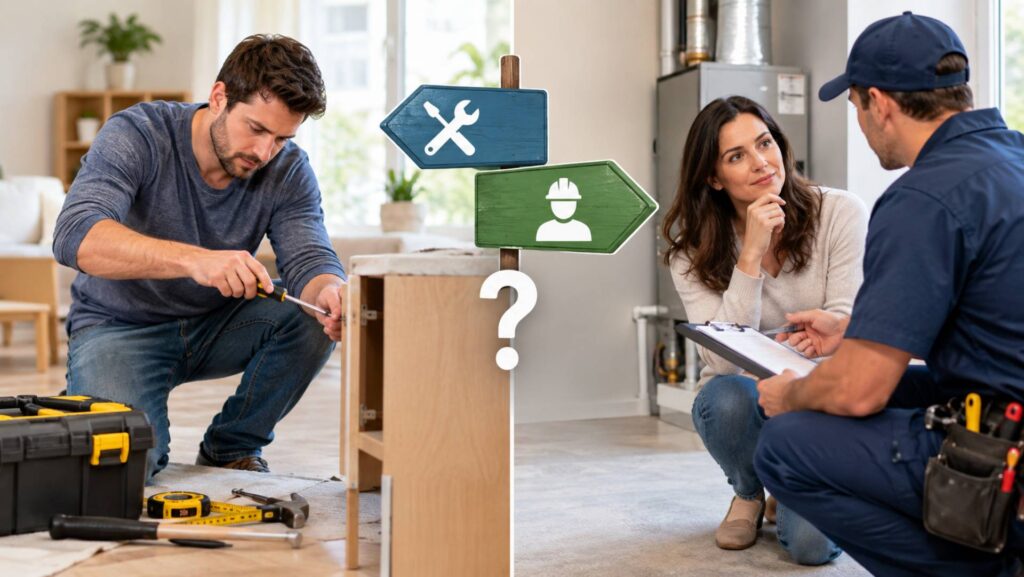
Taking on a project yourself can be rewarding. DIY work may save money, give you more control, and allow you to work at your own pace. Simple repairs, decorating, furniture assembly, and basic maintenance are often manageable if you have the right skills and tools.
However, some jobs require specialist knowledge, training, or professional equipment. Choosing between DIY and professional help should involve more than comparing prices. You also need to consider safety, project complexity, available time, expected quality, and what could happen if something goes wrong.
Start With the Complexity of the Job
The first thing to consider is how complicated the project really is. Painting a wall, putting up shelves, assembling furniture, or completing basic garden maintenance may be suitable for someone with reasonable practical skills. These jobs usually involve straightforward steps and relatively low risks.
More complicated projects can quickly become difficult. Electrical work, major plumbing repairs, roofing, structural alterations, heating systems, and extensive renovations often require specialist knowledge. Before starting, make sure you understand every stage of the work and whether unexpected problems could make the project harder.
Be Realistic About Your Skills and Experience
Confidence can help with DIY projects, but experience is more important. Watching tutorials may explain how a job is completed, yet it cannot replace practical experience gained through completing similar work repeatedly.
Think about the projects you have handled successfully in the past. If you understand the process, know how to use the required tools, and can deal with minor problems, DIY may be reasonable. When precise measurements, specialist equipment, or unfamiliar techniques are involved, professional help may produce a safer and more reliable result.
Consider the Safety Risks
Safety should always be a major factor when deciding between DIY and professional help. Some mistakes may only affect appearance, while others can cause serious property damage or personal injury.
Electrical faults can create fire or shock risks, poor plumbing may cause leaks, and incorrect structural work could affect a building’s stability. Working at height can also be dangerous. If a mistake could result in injury, flooding, fire, or serious damage, hiring a qualified professional is often the better choice.
Calculate the Real Cost of DIY
DIY often appears cheaper because you are not paying professional labour charges. However, materials are only one part of the overall cost. You may also need tools, safety equipment, delivery services, waste removal, and replacement materials if something goes wrong.
Specialist tools can be expensive when you only need them for one project. Mistakes can also turn a low-cost DIY job into an expensive repair. Compare the complete DIY cost with professional quotes before deciding which option offers better value.
Think About How Much Time You Have
A job that takes an experienced professional a few hours could take someone with limited experience an entire weekend. Learning the process, preparing the area, buying supplies, completing the work, cleaning up, and correcting mistakes can all add extra time.
Think carefully about whether you can give the project the attention it requires. Rushing often leads to poor results and avoidable mistakes. Professional help may be worthwhile when the work needs to be completed quickly or when ongoing disruption would interfere with everyday life.
Decide What Level of Finish You Expect
DIY can work well when small imperfections are acceptable. Painting a spare room, improving a garden shed, or making minor decorative changes can provide useful opportunities to build practical skills without putting important parts of the property at risk.
Highly visible work may require greater precision. Flooring, tiling, fitted furniture, plastering, kitchens, and decorative finishes can strongly influence how a room looks. Professional tradespeople often achieve more consistent results because they have experience working with the materials and tools involved.
Check Whether Rules or Permits Apply
Some home improvement projects are subject to local building regulations, permits, inspections, or certification requirements. Electrical installations, structural alterations, extensions, gas systems, and certain plumbing work may fall into this category.
Requirements vary by location and type of project, so check the applicable rules before beginning major work. Using a qualified professional can make compliance easier and may provide documentation that becomes important when selling or insuring the property.
Consider the Tools and Equipment Required
Many basic DIY projects can be completed with common household tools. More advanced work may require specialist drills, saws, testing devices, cutting equipment, scaffolding, or other machinery that you do not already own.
Buying or renting specialist equipment can significantly increase the cost of DIY. Using unfamiliar tools can also create safety risks or affect the quality of the finished work. Consider whether purchasing equipment for a single project makes financial and practical sense.
Know When DIY Makes Sense
DIY is often a practical choice when a project is simple, low risk, inexpensive, and comfortably within your abilities. Painting, minor decorating, assembling furniture, basic gardening, sealing small gaps, and simple maintenance are common examples.
These projects can help you develop useful skills while keeping costs under control. Start with straightforward tasks and gradually build experience rather than attempting complicated work simply because an online guide makes it appear easy.
Know When Professional Help Is Better
Professional help becomes more valuable when a project involves greater risk, complexity, or cost. Major electrical work, structural repairs, gas appliances, roofing, extensive plumbing, and specialist installations are generally better handled by people with appropriate qualifications and experience.
Calling a professional can also be wise if a DIY project starts going wrong. Continuing without fully understanding the problem may increase the damage and make repairs more expensive. Knowing when to stop is an important part of responsible project management.
Consider a Combination of DIY and Professional Work
You do not always need to choose completely between DIY and professional help. A mixed approach can help reduce costs while allowing specialists to manage the parts of a project that require technical knowledge or certification.
For example, you might clear a room, remove old furniture, prepare surfaces, or complete simple decorating yourself while leaving electrical, plumbing, or structural work to qualified tradespeople. Agree on responsibilities beforehand so your preparation does not interfere with the professional work that follows.
How to Choose the Right Professional
If you decide to hire someone, avoid choosing a contractor based only on the lowest price. Look at relevant experience, qualifications, customer feedback, previous work, insurance, and the level of detail included in the quote.
Ask what materials will be used, how long the project should take, whether waste removal is included, and what guarantees are provided. A dependable professional should explain the work clearly and give you enough information to make an informed decision.
Frequently Asked Questions
Is DIY Always Cheaper Than Hiring a Professional?
No. DIY may reduce labour costs, but you might need to buy tools, protective equipment, and additional materials. Mistakes can also increase the final expense, so compare the complete cost rather than labour charges alone.
Which Jobs Are Usually Best Left to Professionals?
Projects involving electricity, gas, major plumbing, structural changes, roofing, specialist machinery, or formal certification are generally better handled by appropriately trained professionals because mistakes can create significant safety and financial risks.
How Do I Know Whether a DIY Project Is Too Difficult?
Ask whether you understand every stage of the project, have completed similar work before, own the appropriate tools, and know how to handle unexpected problems. If several parts are unfamiliar, professional help may be the safer option.
Can I Do Part of a Project Myself and Hire a Professional for the Rest?
Yes. Many projects allow homeowners to complete preparation, clearing, decorating, or basic finishing tasks while professionals handle specialist work. Discuss your plans with the contractor before starting to make sure both parts of the project work together.
Is Hiring the Cheapest Professional a Good Idea?
Not always. A lower quote may exclude important materials, services, or guarantees. Consider qualifications, experience, reviews, insurance, workmanship, and exactly what is included before comparing professionals based on price.
Conclusion
Choosing between DIY and professional help depends on your skills, budget, available time, project complexity, safety risks, and the standard of finish you expect. Straightforward, low-risk jobs can often be completed successfully at home and may help you save money while developing useful practical skills.
Professional assistance is generally a better choice when work becomes dangerous, highly technical, expensive, or subject to regulations. Being realistic about your abilities can protect both your property and your budget. The right approach is not about doing everything yourself, but knowing which tasks you can handle safely and when expert help provides better value.