Automation is transforming the way we live and work. From energy-saving smart homes to efficient commercial buildings, intelligent systems are now essential for achieving sustainability. This article delves into the future of automation systems, their role in modern living, and why hiring a skilled smart home electrician is crucial. Whether you’re a homeowner or business owner, you’ll find expert insights to help you embrace this technological shift with confidence. Welcome to the age of smarter spaces.
Imagine a home that lights up as you walk in, adjusts the temperature according to your mood, and locks the doors without you having to lift a finger. Or a commercial building that manages energy use, monitors security, and boosts efficiency on its own. This is not science fiction anymore—it’s the present and future of intelligent living.
As technology evolves, automation systems are becoming an essential part of how we live and work. They bring convenience, safety, and sustainability to both homes and businesses. This article examines how automation is transforming modern spaces, its significance, and its implications for your future.
What Are Automation Systems?
Automation systems are a combination of software and hardware that help control various tasks without needing manual input. From controlling lights and thermostats to managing security cameras and appliances, these systems create seamless environments that adapt to your needs.
These systems are not just about luxury. They are tools to make our lives easier, more secure, and energy-efficient. Whether you’re managing a large office building or upgrading your home, automation is a powerful tool to transform the space.
Why Automation Matters in Today’s Spaces
Automation isn’t a trend—it’s a shift in how we interact with the spaces around us. Here’s why it’s becoming so popular:
- Energy Efficiency: Smart thermostats and lighting systems reduce energy use and lower bills.
- Enhanced Security: Our integrated security systems continuously monitor every corner of your home or business, 24/7.
- Convenience: Automating repetitive tasks saves time and reduces stress.
- Accessibility: Voice commands and remote controls make spaces more inclusive for everyone.
Businesses and homeowners alike are now seeing automation as an investment rather than a luxury.
Residential Automation: Smarter Homes for Modern Living
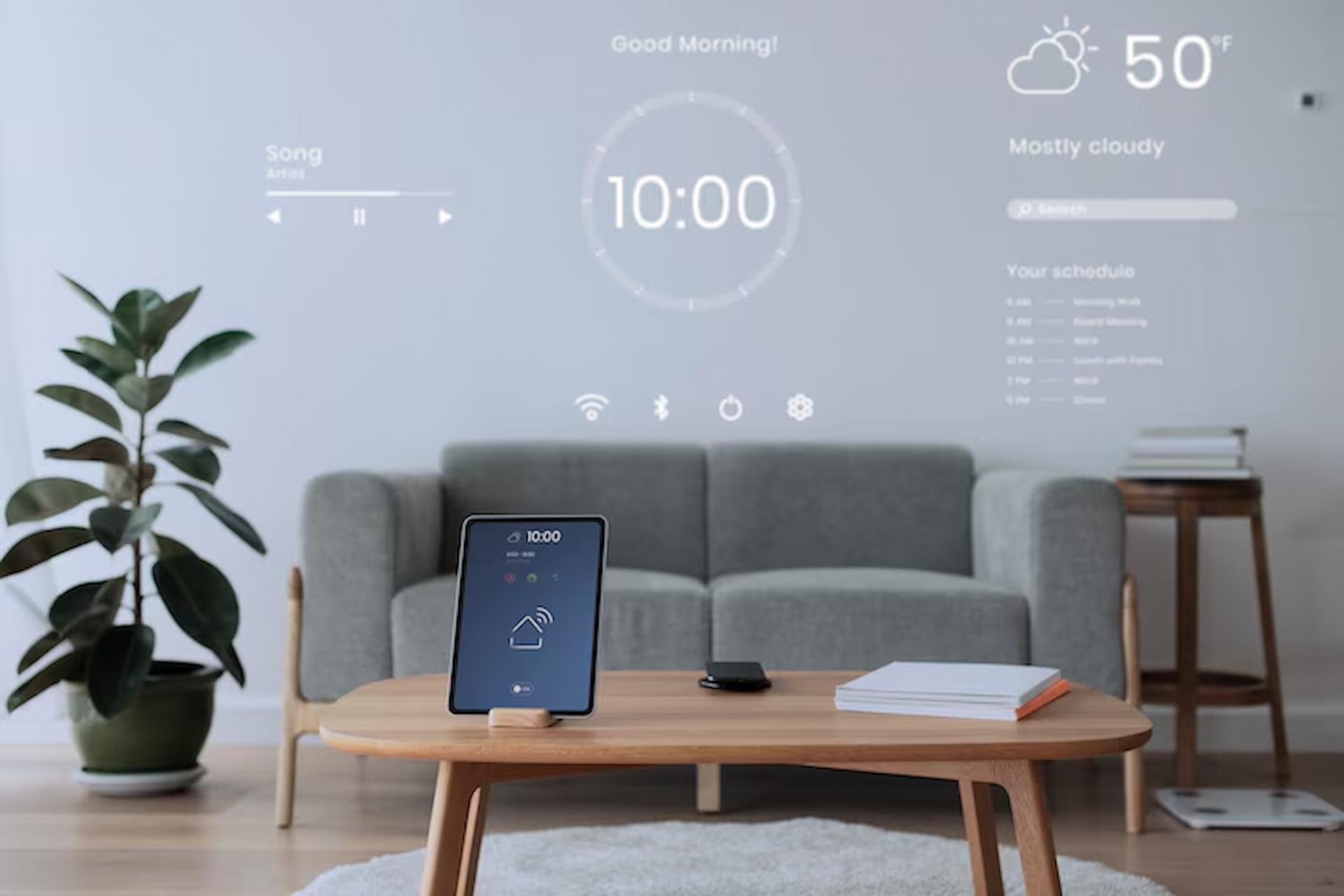
Today’s homeowners expect more than just four walls and a roof—they want a lifestyle upgrade. That’s where residential automation comes in. From morning to night, smart homes adjust to your preferences, improving your quality of life.
How Homes Are Getting Smarter:
- Voice-activated assistants to control appliances
- Motion sensors that turn off lights when no one’s around
- Smart locks and video doorbells for security
- Climate control systems that learn your schedule
Working with a qualified smart home electrician is essential to ensure proper installation and safety. These professionals understand the complexity of connecting devices, networks, and control hubs, making sure everything runs smoothly.
Commercial Automation: Optimising Workspaces
While homes are getting smarter, so are businesses. Commercial automation enables companies to save energy, reduce costs, and deliver enhanced experiences for both employees and customers.
Smart Features in Commercial Spaces:
- Automated lighting and climate control to cut utility expenses
- Smart conference rooms that set up themselves before a meeting
- Occupancy sensors to track usage and optimise space
- Centralised management of doors, cameras, and alarms
Office managers, facility supervisors, and building owners are investing in automation for better efficiency, security, and employee comfort. A fully automated office not only operates more efficiently but also conveys a message of innovation to clients and staff.
The Role of Connectivity in Automation
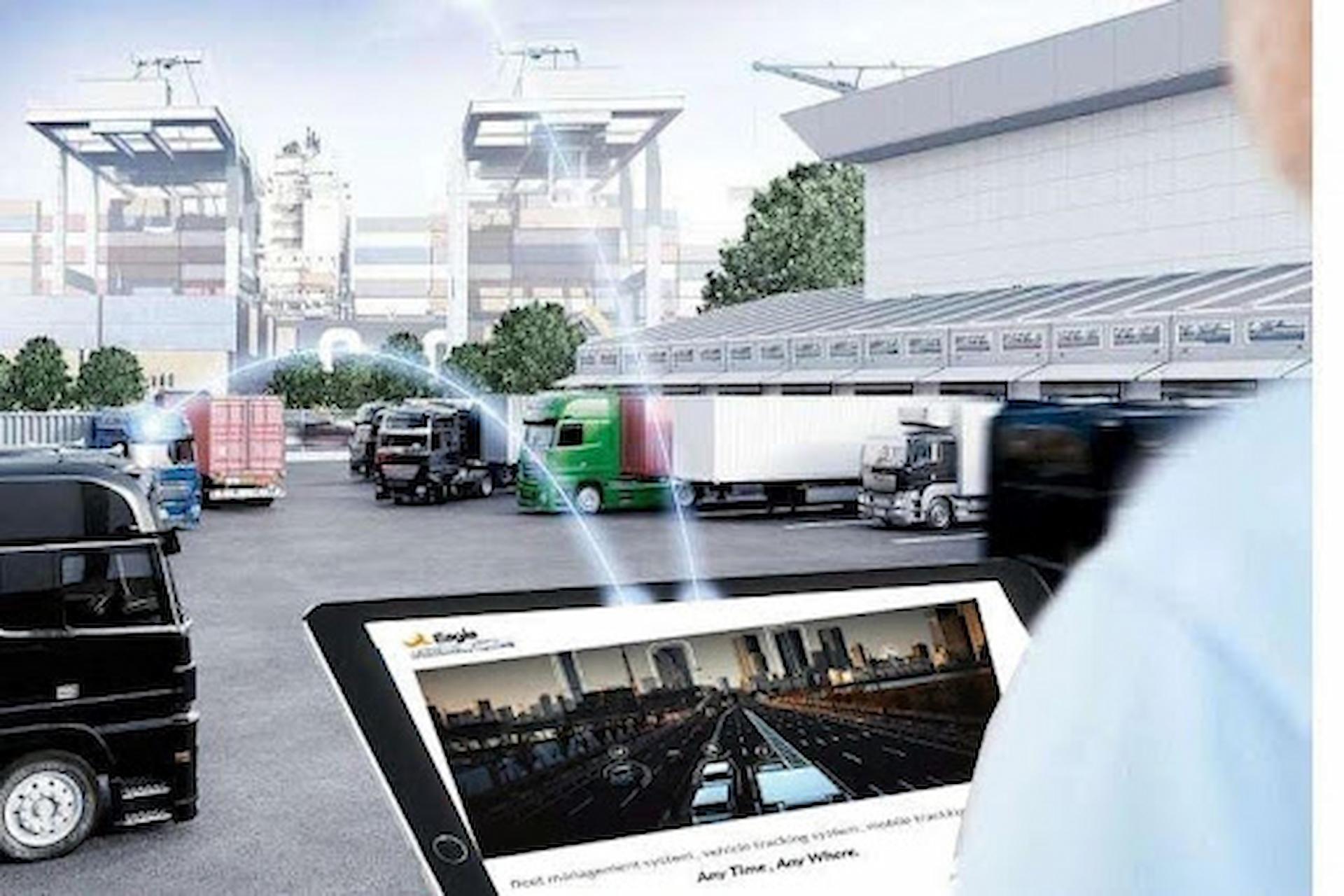
At the heart of automation lies connectivity. Devices need to communicate with each other—and with you. This is made possible by:
- Wi-Fi and Bluetooth networks
- Cloud storage and real-time updates
- Mobile apps and remote dashboards
Thanks to wireless technology, automation is more affordable and accessible than ever. You can control your entire building from your smartphone, even if you’re on vacation or halfway across the world.
Customisation: Making Automation Work for You
One size doesn’t fit all. The best automation systems are customised to fit your lifestyle or business needs. Whether you’re a busy parent or a business owner, your priorities determine the right setup.
Here’s what personalisation might include:
- Programming scenes like “Movie Night” or “Away Mode”
- Scheduling routines for lights, heating, and appliances
- Integrating systems like HVAC, lighting, and alarms into one control panel
- Adapting to usage data to learn your preferences over time
Working with professionals helps to ensure the system works exactly how you want it to.
Energy Savings and Sustainability
With rising energy costs and growing environmental concerns, automation plays a significant role in promoting sustainability. Smart buildings can monitor energy use and adjust in real-time to minimise waste.
Benefits of Eco-Friendly Automation:
- Smart thermostats reduce heating and cooling when not needed
- Automated blinds reduce the need for artificial lighting.
- Real-time data helps detect overuse and inefficiency.
- Solar panel integration and smart charging stations
By using automation to go green, both homes and offices can reduce their carbon footprint while saving money.
Safety and Security: Peace of Mind, On-Demand
Security is one of the biggest drivers of automation adoption. Modern systems do more than just sound an alarm—they act as a complete security solution.
How Automation Enhances Safety:
- 24/7 camera surveillance with live feeds
- Smart locks and facial recognition for access control
- Emergency alerts sent straight to your phone
- Fire, gas, and flood sensors that trigger automatic shutdowns
For families and businesses alike, this brings a higher level of protection and confidence.
Challenges and Considerations
Like any technology, automation systems come with considerations:
- Upfront Costs: Although they offer long-term savings, the initial setup can be expensive.
- Privacy Concerns: Connected devices may raise concerns about data privacy.
- Compatibility Issues: Not all devices work together, especially if using different brands.
- Technical Support: You’ll need a reliable professional for setup and troubleshooting.
However, most of these challenges can be effectively managed through proper planning and collaboration with certified experts.
The Future of Automation: What’s Next?
Automation is moving fast, and the future looks exciting. We can expect:
- Greater use of AI and machine learning to predict user needs
- Integration with electric vehicles and smart city infrastructure
- More intuitive interfaces—think gesture control and biometric access
- Universal platforms that connect all devices across brands
As more industries adopt automation, the cost will continue to drop, and availability will increase. This means even small homes and businesses can enjoy the benefits once reserved for the elite.
Conclusion
Automation is not just about convenience—it’s about building smarter, safer, and more sustainable environments. Whether you’re upgrading your living space or revamping your workplace, automation systems offer a world of possibilities. They are changing how we live and work—one smart decision at a time.
To make the most of these innovations, work with trusted professionals, including an experienced smart home electrician, who can bring your vision to life. As the demand for connected living continues to rise, those who embrace this shift will stay ahead of the curve.
The future is here—and it’s automated.